The High-Performance Edge: How Strength Training Translates to Career Success

The High-Performance Edge: How Strength Training Translates to Career Success


Executives and professionals are no strangers to performance metrics. You measure results in meetings closed, projects delivered, and strategies executed. But what if the biggest performance enhancer for your career wasn’t found in the boardroom, but in the gym?


At CGPT in Hawthorn, we work with many corporate professionals who’ve discovered that strength training isn’t just about building muscle - it’s about building resilience, presence, and stamina that directly translate into success at work. When your body performs better, your career does too.


This is how consistent strength training can sharpen your edge in business, from focus and decision-making to confidence and stress management.


Strength and Resilience: The Mental ROI of Training


High performers know that the difference between success and burnout often lies in mental resilience. Strength training plays a surprisingly powerful role here.


·       Sharper focus and decision-making – Lifting weights requires concentration, discipline, and progression - skills that carry into high-pressure projects and negotiations. Regular training improves executive function, which is linked to better problem-solving and planning (Erickson et al. 2011).

·       Energy management – Instead of the 3pm slump, strength-trained professionals report steady, consistent energy across long days. Improved metabolic efficiency and better sleep quality are common side effects of training.

·       Confidence under pressure – Knowing you can physically lift heavy loads builds a quiet confidence that shows up when the stakes are high in business.


As one CGPT client, a director at a Melbourne firm, put it: “Deadlines don’t intimidate me the way they used to. I feel sharper, calmer, and more in control after I started training.”


Posture and Presence: How You Show Up Matters


In leadership, your presence speaks before you do. Strength training - particularly core, back, and mobility work - transforms posture and body language in subtle but powerful ways.


·       Improved posture means fewer slouches over laptops or in boardrooms, projecting authority and energy instead of fatigue.

·       Mobility gains make standing tall and moving confidently effortless.

·       Body language becomes more open, engaged, and commanding - critical in presentations and client pitches.


This is not just about looking strong. It’s about embodying the resilience, discipline, and focus that colleagues and clients notice instantly.


Stress Management: Why Lifting Beats Burnout


Stress is part of any high-performing career. The question is how you manage it. Strength training is one of the most effective tools available:


·       Physiological reset – Lifting weights lowers cortisol, the stress hormone, while boosting dopamine and serotonin, the brain’s “feel good” chemicals (Meeusen & De Meirleir 1995).

·       A mental outlet – Training sessions create a deliberate break from email and strategy, giving your mind time to reset.

·       Long-term resilience – Consistent strength training has been linked with lower risks of anxiety and depression, which can quietly derail even the most successful careers (Gordon et al. 2017).


At CGPT, corporate clients often describe their sessions as “the hour that makes the rest of the day possible.”


Injury-Proofing for a Demanding Lifestyle


Executives don’t just spend time in boardrooms - travel, client golf days, and long-haul flights are often part of the job. Without strength training, these can take a physical toll.


·       Back and shoulder strength reduces the risk of pain from sitting on planes or working long hours at a desk.

·       Core stability and hip mobility protect against injuries on golf courses or tennis courts.

·       Stronger joints and connective tissue mean fewer setbacks that pull you out of action during critical times.


A corporate leader sidelined by back pain or fatigue isn’t operating at peak performance. Strength training is insurance for your career as much as your body.


The CGPT Advantage: Structure Without Distractions


Time is the most valuable currency for corporate professionals. That’s why CGPT is built for efficiency and results:


·       Private, distraction-free environment – No crowds, no wasted time waiting for equipment, no noise competing for your focus.

·       Tailored programming – Each session is designed for you, maximising outcomes in as little as three sessions a week.

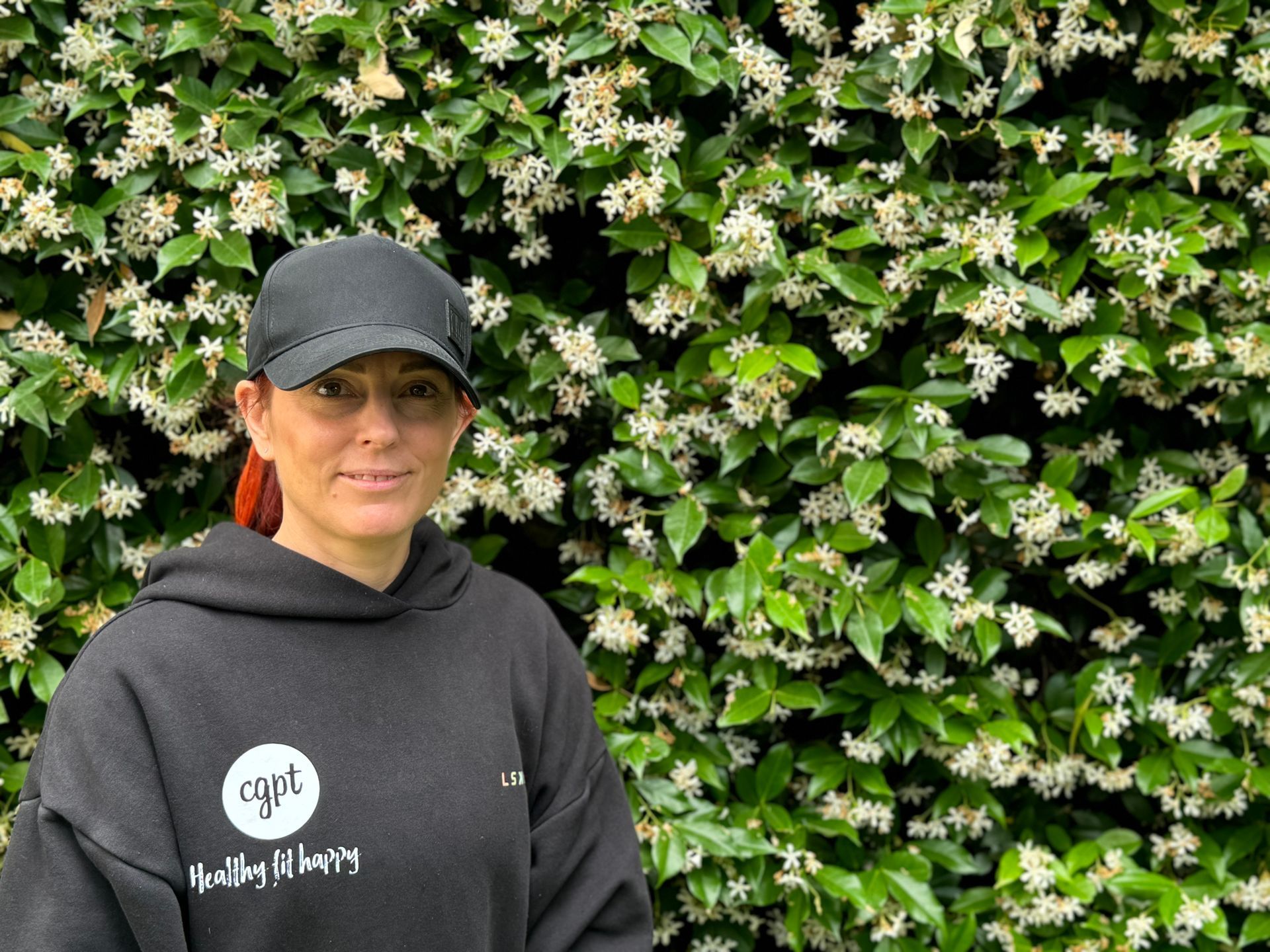
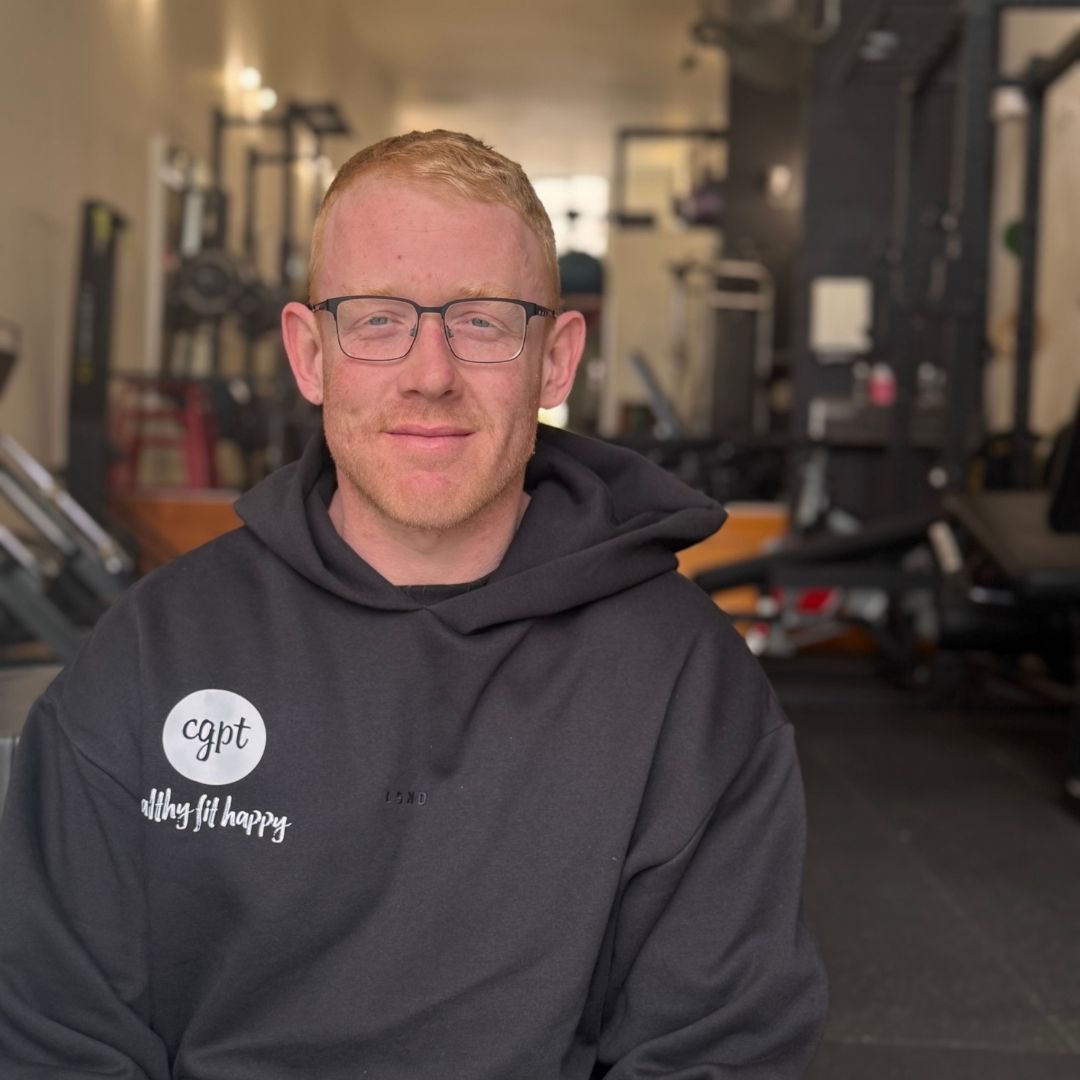
·       Expert trainers with diverse specialties – From Andrea’s empathetic, personalised coaching to Laurence’s physiotherapy-informed technical expertise, our team ensures your training is safe, effective, and aligned with your goals.

·       Accountability built in – Every session moves you closer to your targets, with trainers invested in your progress.


It’s the same principle you use in business: get the highest return possible from your time and effort.


The High-Performance Edge


Strength training doesn’t just keep you fit. It makes you sharper, more resilient, and more confident - qualities that directly impact career performance.


Whether you’re leading a team, pitching to clients, or flying interstate for meetings, strength training ensures your body and mind can handle the demands.


Email Andrea today at andrea@chrisgympt.com to discover how CGPT can give you the high-performance edge - in the gym, in business, and in life.


References


·       Erickson, KI, et al. 2011, Exercise training increases size of hippocampus and improves memory, Proceedings of the National Academy of Sciences, 108(7), pp. 3017–3022.

·       Gordon, BR, et al. 2017, Resistance exercise training improves depressive symptoms in adults: a meta-analysis, JAMA Psychiatry, 74(6), pp. 566–576.

·       Meeusen, R & De Meirleir, K 1995, Exercise and brain neurotransmission, Sports Medicine, 20(3), pp. 160–188.

March 10, 2026
Why Real Estate Agents Struggle to Stay Fit If you work in real estate, your schedule doesn’t look like anyone else’s. Early starts. Late finishes. Weekends that aren’t really weekends. Constant movement between listings, appraisals, client meetings, and auctions. You’re on your feet, in front of people, managing pressure, managing perception, and expected to be “on” all the time. From the outside, it looks active. But from a training perspective, it’s anything but structured. And that’s where things start to break down. Because staying fit in real estate isn’t about motivation. It’s about managing a lifestyle that doesn’t easily accommodate consistency. The Reality of the Hawthorn Real Estate Lifestyle If you’re working across Hawthorn, Camberwell or Kew, you’re operating in one of the most competitive real estate corridors in Australia. Saturday auctions. Mid-week inspections. High-value clients. Constant visibility. There’s a certain standard that comes with that environment. You’re not just selling property. You’re representing a level of professionalism, energy and presence that people notice. And whether it’s spoken or not, how you present physically plays a role in that. Not in a superficial way. In a confidence-driven way. Posture. Energy. Sharpness. The way you carry yourself across a long day. Why Staying Fit Becomes So Difficult On paper, real estate professionals should have no problem staying fit. You’re active. You’re moving. You’re not sitting at a desk all day. But activity is not the same as training. And this is where the gap sits. The biggest challenges tend to be: · Inconsistent schedules that change week to week · Long days that leave little room for structured sessions · Mental fatigue from constant client interaction · Weekends that remove the traditional “free time” most people rely on Over time, this creates a pattern. You train when you can. You stop when things get busy. You start again when things settle down. And the cycle repeats. The Pressure to “Look the Part” This is the part most people won’t say out loud, but it’s always there. Real estate is an image-driven industry. Clients are making high-value decisions. They’re paying attention to detail. They’re assessing trust, credibility and professionalism constantly. And rightly or wrongly, physical presence plays into that. Looking fit isn’t about aesthetics for the sake of it. It’s about: · Confidence · Energy · Authority · Consistency It’s about showing up in a way that reflects the level you operate at. But maintaining that without a system is where most people struggle. Why Most Fitness Approaches Don’t Work When time is limited, people default to what feels efficient. Quick classes. High-intensity sessions. Something they can squeeze in between appointments. And while that can feel productive, it rarely holds up long term. The issue isn’t effort. It’s structure. Without a clear progression model: · Strength doesn’t build · Body composition doesn’t change · Results don’t compound Research consistently shows that structured resistance training leads to significantly greater improvements in strength, lean muscle mass, and long-term metabolic health compared to unstructured or inconsistent training (Kraemer & Ratamess 2004). In other words, it’s not about how often you train. It’s about how your training is designed. Time Isn’t the Problem, Structure Is One of the biggest misconceptions in this space is that you need more time. You don’t. You need a system that works within the time you already have. Studies on time-efficient training show that even 2–3 structured resistance sessions per week can produce significant improvements in strength and body composition, provided the program is progressive and consistent (Grgic et al. 2018). That’s where most people go wrong. They try to fit training around their schedule, instead of building a structure that works with it. What Actually Works for Real Estate Professionals The approach that works isn’t complicated. But it is specific. It needs to be: · Structured · Efficient · Progressive · Repeatable That usually looks like: A consistent weekly framework Not something that changes every week, but a plan that fits around your known commitments. Strength-focused sessions Prioritising resistance training over random high-intensity workouts. Measurable progression Tracking strength, improving over time, building something tangible. Realistic expectations Understanding that consistency beats intensity, especially in a demanding schedule. This is what allows results to build, rather than reset every few weeks. How High-Performing Professionals Approach Training There’s a noticeable shift when you look at people who train consistently at a high level, regardless of how busy they are. They don’t rely on motivation. They rely on systems. Training becomes: · Scheduled, not optional · Structured, not random · Progressive, not repetitive It fits into their week the same way meetings and appointments do. And over time, that consistency compounds. Where CGPT Fits In This is exactly where CGPT works best. We work with a lot of professionals who don’t have time to waste on guesswork, inconsistency or ineffective training. The focus is simple: · Build strength · Create structure · Make training fit your schedule Sessions are efficient, targeted, and designed to move you forward. There’s no need to spend hours in the gym. No need to rely on constantly changing workouts. Just a clear plan, executed consistently. For many clients, that’s the difference between constantly starting over and finally seeing results. A Smarter Next Step If you’re working in real estate and struggling to stay consistent with training, it’s not a reflection of your discipline. It’s a reflection of your environment. And once you understand that, the solution becomes much clearer. You don’t need more time. You need a better system. We offer a free intro session at CGPT , where we: Talk through your schedule Understand what’s been working and what hasn’t Show you how to structure your training properly It’s straightforward, low-pressure, and designed to give you clarity. You can read more about what to expect here: https://www.chrisgympt.com/what-to-expect-at-your-first-personal-training-session-at-cgpt-and-why-its-different-to-every-other-gym From there, you can decide what makes sense. If you’ve been searching for personal training for busy professionals in Melbourne, or looking for a gym for real estate agents that actually works with your schedule, this is usually the point where things start to shift. And once the structure is in place, the results tend to follow. Ready to find out more? Email Andrea REFERENCES Grgic, J, Schoenfeld, BJ, Orazem, J & Sabol, F 2018, Effects of resistance training frequency on gains in muscular strength: a systematic review and meta-analysis, Sports Medicine, vol. 48. Kraemer, WJ & Ratamess, NA 2004, Fundamentals of Resistance Training: Progression and Exercise Prescription, Journal of Strength and Conditioning Research, vol. 16, no. 4.
March 5, 2026
Why You’re Not Getting Results From F45 Even If You Go Every Day There’s a certain type of person who ends up at F45, Barry’s Bootcamp or Orangetheory. They’re consistent. Disciplined. Willing to work hard. They don’t need motivation. They already have it. They like structure, they like intensity, and they like walking out of a session feeling like they’ve done something worthwhile. And for a while, that approach works. Fitness improves, energy lifts, and there’s a sense of momentum that feels encouraging. But over time, something changes. You’re still going regularly. Still pushing yourself. Still sweating through every session. But your body isn’t changing in the way you expected. Strength plateaus. Body composition stalls. The results that once felt inevitable start to feel just out of reach. If you’ve found yourself questioning why, you’re not alone. And more importantly, you’re not doing anything wrong. The Problem Isn’t Effort, It’s Direction Most people assume they need to do more. More sessions. More intensity. More effort. But research consistently shows that effort alone is not what drives physical change. Adaptation - the body’s ability to respond to training - depends on how that effort is structured over time, not just how hard each session feels. There’s a clear distinction between: · Exercising frequently · Training progressively Group training environments are very effective at the first. They are far less reliable at delivering the second. Why HIIT Stops Working for Fat Loss and Strength High-intensity interval training (HIIT) has become one of the most popular training methods globally, largely because it is time-efficient and engaging. It does improve cardiovascular fitness, and studies have shown it can be effective for general health (Weston, Wisløff & Coombes 2014). However, when HIIT becomes the primary or only form of training, its limitations become more apparent. Most sessions are built around: · Elevated heart rate · Repeated short bursts of effort · Constant movement with minimal rest What’s often missing is structured progression. A systematic review published in the British Journal of Sports Medicine found that while HIIT can improve aerobic capacity, it is significantly less effective than resistance training for increasing lean muscle mass and strength (Grgic et al. 2019). This is important because muscle mass plays a critical role in metabolism, body composition, and long-term weight management. In other words, you can be working extremely hard, but without the right stimulus, your body has no reason to change. Sweat Feels Like Progress, But It Isn’t One of the most persistent misconceptions in fitness is that intensity equals results. You can leave a session exhausted, drenched in sweat, completely spent - and still not be progressing. Because sweat is a response. Progress is an adaptation. And adaptation requires progressive overload - the gradual increase of stress placed on the body during training. The American College of Sports Medicine (ACSM) identifies progressive overload as a fundamental principle for improving strength and body composition (ACSM 2009). Without it, the body simply maintains its current state. This is where many group-based programs fall short. The intensity is there, but the progression is not. Why Group Training Hits a Plateau At the beginning, almost any form of training works. Your body is exposed to something new, and it responds quickly. But over time, that response slows. In a group training model: · Workouts vary daily · Exercises change frequently · Load is rarely tracked or progressed systematically This lack of consistency makes it difficult to build strength in a meaningful way. Research published in the Journal of Strength and Conditioning Research highlights that structured resistance training programs with consistent progression lead to significantly greater improvements in strength and muscle mass compared to non-periodised or randomised training approaches (Kraemer & Ratamess 2004). Add to that the absence of individualisation, and the limitations become more obvious. Everyone is following the same session, regardless of their goals, injury history, or training experience. That works well for engagement. It doesn’t work as well for results. Strength Is the Missing Piece If the goal is to: · Improve body composition · Build lean muscle · Increase strength · Support long-term health Then resistance training is not optional. It’s essential. The Australian Government’s physical activity guidelines recommend muscle-strengthening activities at least two days per week, specifically because of their role in improving metabolic health, bone density, and overall physical function (Department of Health and Aged Care 2021). Strength training provides: · Progressive overload · Measurable progression · Increased muscle mass · Improved insulin sensitivity These are the factors that drive visible, lasting change. HIIT alone does not provide this. F45 vs Personal Training: What Actually Changes The difference between group training and personal training is not simply the environment. It’s the intent behind the training. In a group setting, the goal is to deliver a session that works for as many people as possible. In a personalised setting, the goal is to create a program that works specifically for you. That introduces: · Structured progression · Load tracking · Movement-specific coaching · Individualised programming Instead of repeating effort, you’re building capacity. Instead of chasing fatigue, you’re developing strength. This is where the comparison between F45 and personal training becomes meaningful. Not in terms of difficulty, but in terms of outcome. Where CGPT Fits In Most people who come to CGPT are not lacking motivation or discipline. They’ve already proven they can commit to training. What they haven’t had is a system that allows them to progress. At CGPT, the focus is on: · Personalised strength training · Progressive programming · Building strength safely and consistently There’s less emphasis on intensity for the sake of it, and more emphasis on doing the right things over time. For many clients, this is the point where results start to become noticeable again. Not because they’re working harder, but because their training finally has direction. A Smarter Next Step If you’re currently training in a group environment and enjoying it, there’s no reason to stop. But if you’re not seeing results, it’s worth asking whether your current approach is actually giving your body a reason to change. In many cases, the answer becomes clear once you experience something more structured. That’s why we offer a free intro session at CGPT. It’s an opportunity to: · Understand why your progress has stalled · See how a structured strength program works · Get clarity on what your next step should be You can read more about what to expect here: https://www.chrisgympt.com/what-to-expect-at-your-first-personal-training-session-at-cgpt-and-why-its-different-to-every-other-gym From there, you can decide what makes sense for you. If you’ve been searching for alternatives to F45 in Melbourne, comparing personal training vs group fitness, or trying to understand why your results have plateaued, this is usually where things start to shift. Ready to find out more? Email Andrea. REFERENCES: American College of Sports Medicine (ACSM) 2009, Progression Models in Resistance Training for Healthy Adults, Medicine & Science in Sports & Exercise, vol. 41, no. 3, pp. 687–708. Department of Health and Aged Care 2021, Australian Physical Activity and Sedentary Behaviour Guidelines, Australian Government, Canberra. Grgic, J, Schoenfeld, BJ, Skrepnik, M, Davies, TB & Mikulic, P 2019, Effects of resistance training on muscle size and strength in very elderly adults: a systematic review and meta-analysis, British Journal of Sports Medicine, vol. 53, no. 14. Kraemer, WJ & Ratamess, NA 2004, Fundamentals of Resistance Training: Progression and Exercise Prescription, Journal of Strength and Conditioning Research, vol. 16, no. 4. Weston, KS, Wisløff, U & Coombes, JS 2014, High-intensity interval training in patients with lifestyle-induced cardiometabolic disease: a systematic review and meta-analysis, British Journal of Sports Medicine, vol. 48, no. 16.
March 1, 2026
Why Pilates Stops Working And What To Do When Your Body Plateaus If you’ve been doing Pilates consistently, you’re already doing a lot right. You’ve built a routine, you’re moving regularly, and you’ve likely developed better control and awareness in your body. For many people, Pilates is an excellent starting point and can play a valuable role in long-term movement quality. But over time, it’s common to reach a point where progress slows. The sessions stay consistent. The effort is still there. But the results plateau. If you’ve been wondering why, the answer usually comes down to how your body adapts to training. Pilates Isn’t the Problem, But It Has Its Limits Pilates is effective for improving: · Core stability · Movement control · Muscular endurance These are important components of overall fitness. However, these adaptations tend to occur relatively early. Once your body becomes efficient at the movements and resistance levels involved, the stimulus is no longer strong enough to drive further change. This is consistent with the principle of progressive overload, which states that continued improvement requires increasing demand over time (ACSM 2009). Without progression, the body maintains rather than adapts. Why Pilates Stops Working Over Time One of the main limitations of Pilates as a standalone training method is that progression is often limited. Resistance tends to remain within a relatively narrow range, and while exercises can become more complex, they don’t always provide the increasing load required to build strength. Research has shown that while Pilates can improve core endurance and flexibility, it produces significantly smaller gains in muscle strength compared to traditional resistance training (Kloubec 2010). This distinction becomes important when your goals include: · Changing body composition · Building lean muscle · Improving overall strength These outcomes require higher levels of resistance and structured progression. Efficiency vs Adaptation As you continue training in the same way, your body becomes more efficient at those movements. Efficiency reduces the demand placed on your muscles. And when demand decreases, so does the need for adaptation. This is why results plateau, even when consistency remains high. What’s Missing: Strength Training To continue progressing, your body needs a different stimulus. Strength training introduces: · Progressive overload · Higher resistance · Measurable progression These are the key drivers of long-term physical change. The Australian Physical Activity Guidelines specifically recommend incorporating muscle-strengthening activities because of their role in improving metabolic health, bone density, and physical function (Department of Health and Aged Care 2021). This is where strength training becomes essential, not as a replacement for Pilates, but as a complement to it. Pilates and Strength Training Work Better Together It’s important to recognise that Pilates and strength training are not competing methods. They serve different purposes. Pilates supports: · Movement quality · Stability · Control Strength training supports: · Muscle development · Load tolerance · Long-term progression When combined, they create a more balanced and effective approach. What To Do When You Hit a Plateau If you’ve reached a point where Pilates no longer feels like it’s delivering results, the solution is not to abandon it entirely. It’s to add what’s missing. Introducing structured strength training allows you to: · Build strength progressively · Challenge your body in new ways · Continue adapting At the same time, Pilates can remain part of your routine, supporting recovery and movement quality. Where CGPT Fits In Many of our clients come to CGPT after doing Pilates for years. They’ve built consistency and a strong foundation, but they’ve reached a point where progress has stalled. What they need is not more effort, but a more structured approach. At CGPT, the focus is on: · Personalised strength training · Progressive programming · Building confidence with weights Some clients continue Pilates alongside their training. Others transition more fully. Both approaches can work. The difference is having a plan that allows you to keep progressing. What To Do Next If you’ve been doing Pilates and feel like your results have plateaued, this is often the point where a small shift creates a significant change. You don’t need to start over. You just need to introduce the right stimulus. We offer a free intro session at CGPT, where we: · Talk through your current routine · Assess where you’re at · Show you how we would structure your training You can read more about what to expect here: https://www.chrisgympt.com/what-to-expect-at-your-first-personal-training-session-at-cgpt-and-why-its-different-to-every-other-gym From there, you can decide what feels right. Ready to find out more? Email Andrea. REFERENCES: American College of Sports Medicine (ACSM) 2009, Progression Models in Resistance Training for Healthy Adults, Medicine & Science in Sports & Exercise. Department of Health and Aged Care 2021, Australian Physical Activity and Sedentary Behaviour Guidelines, Australian Government. Kloubec, JA 2010, Pilates for improvement of muscle endurance, flexibility, balance, and posture, Journal of Strength and Conditioning Research.