CGPT Trainer: Josh Martin

Meet Josh Martin: The Fun, Empathetic and Clinically-Skilled Trainer at CGPT


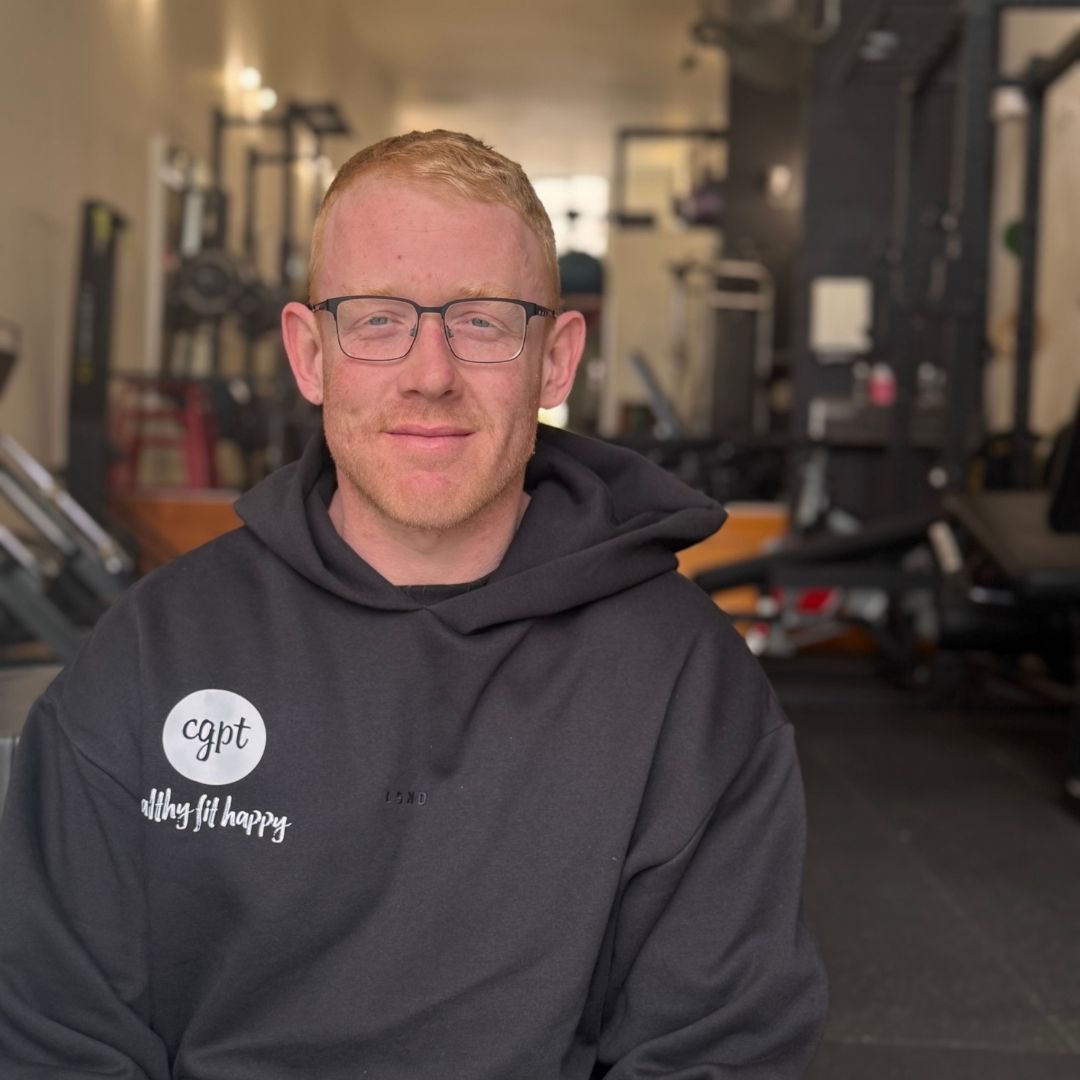
At CGPT in Hawthorn, personal trainer Josh Martin brings together clinical expertise, lived experience with injury, and an infectious love of movement to help clients feel stronger, more confident, and genuinely enjoy training again. With a Master’s qualification in Clinical Exercise Physiology and a background in competitive sport, Josh works with a broad range of clients, from those returning from injury to everyday people who simply want to move better and feel healthier.


Josh’s philosophy is simple: training should be effective, supportive, and most importantly, something people actually look forward to.


From Injury to Purpose-Driven Coaching


Josh’s path into personal training was shaped by his own setbacks. As a cricketer, he experienced both a significant back injury and a shoulder reconstruction, which introduced him to high-quality rehabilitation and strength coaching early on.


“Working with great trainers during that time showed me how powerful good coaching can be,” Josh explains. “I wanted to give back to the industry that gave me so much, and connect with clients on a more personal, empathetic level.”


That experience now underpins everything Josh does at CGPT. He understands what it feels like to be limited by injury, uncertain about your body, and rebuilding confidence one step at a time.


Clinical Knowledge, Applied to Real People


Josh holds a Master’s degree in Clinical Exercise Physiology, which has given him extensive exposure to clients managing injuries, medical conditions, and complex rehabilitation journeys. At CGPT, he applies that knowledge in a practical, approachable way, supporting a general population clientele, while drawing on his clinical experience to ensure training is safe, progressive, and effective.


This balance allows Josh to work confidently with clients who may be returning from injury, managing pain, or simply wanting reassurance that their training is being guided by someone with a deep understanding of the body.


“I love helping people achieve their goals, no matter where they’re starting from,” he says. “Everyone starts somewhere.”


A Training Style That Keeps People Coming Back


If Josh had to describe his coaching style in three words, it would be fun, fun, fun. But make no mistake, behind the smiles and conversation is structured, intelligent programming.


Josh believes enjoyment is not a bonus, it’s essential. When people enjoy training, they stay consistent, and consistency is where results are built.


His favourite movement to coach is the squat, a foundational pattern that shows up everywhere in daily life. “It’s such an important movement,” Josh explains. “And it can be adapted in so many ways, for strength, control, rehab, or performance.”


Sessions with Josh are supportive, encouraging, and tailored to each client’s capacity on the day. He focuses on small, sustainable improvements, backing clients to chase that extra one percent over time.


Transformations That Truly Matter


One of Josh’s most meaningful coaching experiences involved working with a client who had battled leukaemia three times. When they first began training, she could only manage 20 minutes of exercise. Over time, with consistent support and encouragement, she progressed to full one-hour sessions and was able to return to acting, her true passion.


“That’s the stuff that stays with you,” Josh says. “Training isn’t just about fitness. It’s about giving people their lives back.”


Life Outside the Gym


When Josh isn’t on the gym floor at CGPT, he’s usually playing or following cricket, reading, watching films, or spending time with his girlfriend. A self-confessed movie buff, he enjoys unwinding away from the gym just as much as he enjoys bringing energy into it.


And if you’re lucky, you might even hear his surprisingly accurate Donald Duck impression, a hidden talent that usually catches clients completely off guard.


Why Train With Josh at CGPT?


Josh Martin is the kind of trainer who makes people feel comfortable from day one. His blend of clinical exercise physiology knowledge, personal experience with injury, and genuinely upbeat coaching style makes him an invaluable part of the CGPT team.


Whether your goal is returning to training after injury, building strength safely, or simply finding a personal trainer in Hawthorn who makes the gym feel less intimidating, Josh brings empathy, structure, and positivity to every session.


As Josh puts it best:


“Let’s have some fun, and let’s get you moving. Even one small step is a big step in the right direction for your health.”




February 20, 2026
From Podcasts to Policy: What the Menopause Movement Means for Women & Training If you feel like menopause has suddenly become a weekly conversation - you’re right. It’s in: · Podcasts · Workplace policies · Instagram · Pharmacy campaigns · Telehealth clinics And for many women, the overwhelming feeling is: “Finally - someone is talking about this.” That visibility is critical, but there’s an important distinction: Awareness changes conversation. Training changes physiology. You’re Not Imagining It The shift is real. More women are: · Recognising symptoms earlier · Seeking answers sooner · Expecting better support That alone is a positive change. But the next step is where things often stall. Awareness vs Action Understanding symptoms is one thing. Responding to what’s happening in the body is another. Common experiences include: · Sleep disruption · Energy dips · Anxiety · Weight redistribution · Brain fog These are complex and multifactorial. But one consistent finding: Exercise - particularly resistance training - can positively influence many of these systems. What Strength Training Actually Supports Research shows strength training can: Improve insulin sensitivity Helping regulate blood sugar and energy levels (1) Support sleep quality Exercise has been linked to improved sleep outcomes in midlife women (2) Assist with stress regulation Physical training influences stress response systems (3) Improve body composition Supporting lean mass and reducing fat accumulation (4) This isn’t a cure-all, but it is a powerful foundation to establish and work from. The Psychological Benefit (Often Overlooked) For many women, the biggest shift isn’t physical - it’s psychological. Strength training provides: · Measurable progress · A sense of control · Confidence in a changing body In a phase that can feel unpredictable, that consistency can really mean all the difference. Why Strength Training Is Different to Cardio-Only Approaches Cardio definitely has it’s value. But on its own, it doesn’t: · Build significant muscle · Improve bone density to the same extent · Provide the same structural resilience Strength training complements cardio, but also fills critical gaps. What This Looks Like at CGPT At CGPT, training is: · Structured · Progressive · Supervised · Individualised There’s no pressure to “keep up.” Just a focus on: · Building strength · Moving well · Progressing consistently Where to Start If you’re exploring this space, these guides are a useful next step: Strength Training During Menopause Menopause Strength Formula Or simply: Start with a conversation. If this has sparked your interest, we’d love to invite you in for a complimentary intro session at CGPT. It’s a relaxed, friendly chat with one of our senior trainers where you can get a feel for the space, ask any questions, and talk through what you’re looking for - without any pressure to commit. Just a simple, supportive starting point to see if it feels right for you. Want to find out more? Email Andrea today. Disclaimer This article is for general informational purposes only and does not constitute medical advice. Please consult a qualified healthcare professional regarding menopause-related concerns. Bibliography 1. Bird, S.R. & Hawley, J.A. (2017) ‘Update on the effects of physical activity on insulin sensitivity’, BMJ Open Sport & Exercise Medicine. 2. Kredlow, M.A. et al. (2015) ‘The effects of physical activity on sleep’, Journal of Behavioral Medicine, 38(3). 3. Stranahan, A.M. et al. (2008) ‘Running induces beneficial effects on stress’, Neuroscience, 156(4). 4. Westcott, W.L. (2012) ‘Resistance training is medicine’, Current Sports Medicine Reports, 11(4).
February 15, 2026
Menopause, Muscle and Metabolism: Why Strength Training Is the Missing Piece in the National Conversation The menopause conversation is louder than it’s ever been. But it’s also incomplete. Most headlines focus on: · Hot flushes · Mood changes · Hormones All very valid. But far less attention is given to three critical areas that directly influence long-term health: Muscle. Bone. Metabolism. And this is where strength training becomes essential - not optional. The Muscle Decline Nobody Notices Until It’s Advanced Muscle loss is gradual, but significant. From midlife onwards, women can lose muscle mass each decade if it’s not actively maintained (1). Oestrogen plays a protective role in muscle function. As levels decline, muscle becomes harder to maintain without targeted stimulus (2). Why this matters goes far beyond appearance: · Muscle supports joint stability · Improves glucose control · Reduces injury risk · Supports daily function and independence Strength training directly counteracts this decline. Studies consistently show resistance training improves muscle mass and strength in postmenopausal women (3). Bone Density: The Silent Risk Bone loss accelerates during menopause due to hormonal changes (4). This isn’t something you feel immediately - but over time, it increases fracture risk. Here’s the key distinction: Walking is beneficial - but not sufficient on its own. Bone responds best to: · Load · Impact · Resistance Strength training provides that stimulus. Research shows weight-bearing resistance exercise can significantly improve or maintain bone density in postmenopausal women (5). This is one of the most effective non-pharmacological strategies available. The Metabolism Myth A common statement: “My metabolism is broken.” What’s often happening is more specific: · Loss of muscle · Increase in fat mass · Reduced energy expenditure Muscle is metabolically active tissue. Less muscle = lower baseline energy use (6). Strength training helps by: · Preserving lean mass · Supporting insulin sensitivity · Improving body composition This reframes the conversation from “metabolism is broken” to: Muscle needs to be maintained. Why Supervised Training Really Matters in Midlife This isn’t about pushing harder, it’s about training smarter. Considerations include: · Joint health · Recovery capacity · Progressive loading · Technique Unstructured programs can lead to: · Plateaus · Injury · Frustration A structured, progressive approach ensures: · Safe progression · Consistent results · Long-term sustainability The Local Reality Women across Hawthorn, Camberwell, Richmond and Toorak often share a similar experience: · They’ve tried gyms before · They’ve done classes or cardio · They’ve been inconsistent - not from lack of effort, but lack of structure What’s often missing is: · Clarity · Progression · Accountability Strength training - done properly - provides all three. How CGPT Approaches This At CGPT, the focus isn’t trends or extremes. It’s: · Progressive strength training · Individualised programming · Consistent, structured sessions No chaos. No guesswork. Just a clear, repeatable system. Where to Go From Here If you want to understand more about starting strength training in midlife: Why Your 40s Are Not Too Late to Start Strength Training The Benefits of Strength Training During Menopause Or, simply: Start a conversation about structured strength training. If this has sparked your interest, we’d love to invite you in for a complimentary intro session at CGPT. It’s a relaxed, friendly chat with one of our senior trainers where you can get a feel for the space, ask any questions, and talk through what you’re looking for - without any pressure to commit. Just a simple, supportive starting point to see if it feels right for you. Want to find out more? Email Andrea today. Disclaimer This article is for general informational purposes only and does not constitute medical advice. Please consult your healthcare provider before making changes to your health or exercise routine. Bibliography 1. Mitchell, C.J. et al. (2012) ‘Sarcopenia, dynapenia, and the impact of advancing age on human skeletal muscle size and strength’, Frontiers in Physiology, 3. 2. Collins, B.C. et al. (2019) ‘The role of estrogen in skeletal muscle’, Exercise and Sport Sciences Reviews, 47(2). 3. Peterson, M.D. et al. (2010) ‘Resistance exercise for muscular strength in older adults’, Ageing Research Reviews, 9(3). 4. Eastell, R. et al. (2016) ‘Bone loss during menopause’, Endocrine Reviews, 37(4). 5. Zhao, R. et al. (2015) ‘The effectiveness of resistance training on bone density’, Osteoporosis International, 26(2). 6. Wolfe, R.R. (2006) ‘The underappreciated role of muscle in health and disease’, The American Journal of Clinical Nutrition, 84(3).
February 10, 2026
Why Is Everyone Suddenly Talking About Perimenopause? And What It Means for Your Training If it feels like perimenopause has suddenly appeared everywhere - podcasts, workplace policies, group chats, late-night Google searches - you’re not imagining it. In Australia alone, the conversation has moved from quiet frustration to national focus. A Senate inquiry, workplace guidelines, and increasing media coverage have pushed menopause firmly into the spotlight. Globally, high-profile figures and platforms have accelerated the conversation even further. And for many women in Hawthorn, Camberwell, Kew and surrounding areas - this shift is landing at a very specific moment: peak career, full schedules, and a body that feels… different. This isn’t hysteria. It’s overdue recognition. But here’s the part that often gets missed: Awareness alone doesn’t protect your muscle, bone density, or metabolism. Strength training does. Why This Surge Is Happening There isn’t one reason perimenopause is everywhere right now. It’s a combination of forces. 1. Policy and workplace legitimacy (Australia) Menopause is now being discussed as a workplace issue - linked to productivity, retention, and employee wellbeing. That shift has moved it from “private health topic” to something openly acknowledged in professional environments. 2. Celebrity and media normalisation From global TV specials to podcasts, menopause has become mainstream content. When high-profile figures talk about it, it stops being niche. 3. Women asking better questions Women in their 40s and 50s are more informed - and less willing to accept vague answers or dismissal of symptoms. 4. Social media shortening the gap Many women now recognise symptoms through short-form content before they ever speak to a doctor. That accelerates awareness dramatically. All of this creates one thing: visibility. But visibility doesn’t equal strategy. The Gap Nobody Is Talking About Enough Most of the conversation focuses on: · Symptoms · Hormones · Supplements · Treatment pathways All very important. But far less attention is given to what’s happening physically beneath the surface: · Gradual loss of muscle mass (sarcopenia) (1) · Declining bone density (2) · Changes in insulin sensitivity and fat distribution (3) · Reduced recovery capacity These changes are not theoretical - they’re measurable. And importantly: Strength training is one of the few interventions consistently shown to positively influence all of them. This isn’t a controversial statement. It’s widely supported across exercise physiology and menopause research. What Perimenopause Actually Changes in the Body At a high level, perimenopause is driven by fluctuating oestrogen levels. That impacts: Muscle Oestrogen plays a role in muscle protein synthesis. As levels fluctuate, maintaining muscle becomes less automatic (4). Bone Bone turnover increases, meaning bone breakdown can outpace rebuilding - raising long-term osteoporosis risk (2). Metabolism Changes in body composition - particularly increased fat mass and reduced lean mass - can occur even without major lifestyle changes (3). Recovery Sleep disruption and hormonal shifts can affect how quickly the body recovers from training or stress. None of this means decline is inevitable, but it does mean doing nothing is no longer neutral. What This Means for Women Looking For Training Solutions For many women locally, the challenge isn’t motivation - it’s structure. You’re: · Time-poor · Managing work and family · Already active, or trying to be · Unsure what actually works now Random gym sessions or cardio-heavy routines often stop delivering results. What becomes more effective is: · Structured sessions · Progressive overload (gradually increasing strength demands) · Consistency over intensity · Supervised training to ensure progression and safety This is where strength training shifts from “optional” to foundational . How CGPT Fits Into This Conversation At CGPT, the approach isn’t reactive or trend-driven. It’s: · Structured · Evidence-informed · Individualised · Calm and consistent There’s no need to overhaul everything overnight. But there is value in: · Training with intention · Progressing strength safely · Building muscle and resilience over time If you’re already reading about menopause everywhere, the next logical step isn’t more content. It’s action. Where to Start If you’re curious about how strength training fits into this phase, these guides are a useful starting point: The Benefits of Strength Training During Peri-Menopause and Menopause Strength Training During Menopause: Why Now Is the Perfect Time to Start Or, if you’d prefer something more direct: A conversation about personalised structured strength training is often the simplest place to begin. If this has sparked your interest, we’d love to invite you in for a complimentary intro session at CGPT. It’s a relaxed, friendly chat with one of our senior trainers where you can get a feel for the space, ask any questions, and talk through what you’re looking for - without any pressure to commit. Just a simple, supportive starting point to see if it feels right for you. Want to find out more? Email Andrea today. Disclaimer This article is for general informational purposes only and does not constitute medical advice. Always consult your GP or qualified healthcare provider regarding menopause, symptoms, or treatment options. Bibliography 1. Cruz-Jentoft, A.J. et al. (2019) ‘Sarcopenia: revised European consensus on definition and diagnosis’, Age and Ageing, 48(1), pp. 16–31. 2. Daly, R.M. et al. (2018) ‘Exercise for the prevention of osteoporosis in postmenopausal women’, Bone, 115, pp. 172–180. 3. Lovejoy, J.C. et al. (2008) ‘Increased visceral fat and decreased energy expenditure during menopause’, International Journal of Obesity, 32(6), pp. 949–958. 4. Sipilä, S. et al. (2020) ‘Estrogen-related muscle changes’, Frontiers in Physiology, 11.