Strength, Sanity and Actual Results: Why C Suite Leaders Choose CGPT Over High Priced Executive Fitness Programs

Strength, Sanity and Actual Results: Why C Suite Leaders Choose CGPT Over High Priced Executive Fitness Programs


Every few weeks another headline appears about a boutique gym offering an ultra premium program for executives. The promise is usually the same: concierge style services, multiple specialists, a luxury environment and a price tag that looks more like a corporate retreat than a training program. These offerings claim to help leaders sleep better, eat better, manage stress better and perform at their peak.


There is just one issue. You do not need an elite tier, high cost executive program to build resilience or get strong. You do not need glossy extras to develop consistency. What you actually need is a private, well equipped gym, highly qualified personal trainers and a plan that fits your real life. You need something sustainable, not performative.


This is exactly where CGPT has stood apart for years.


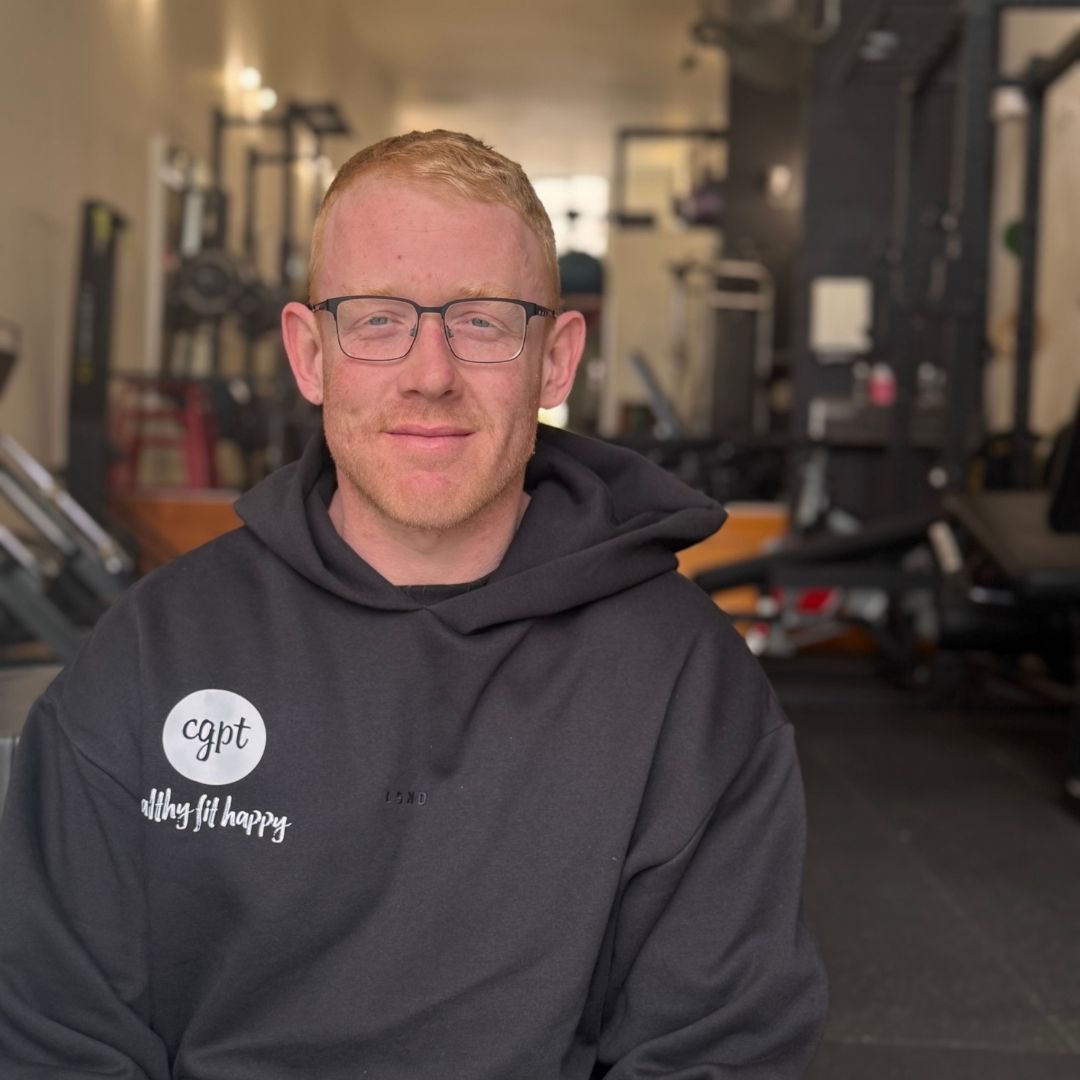
CGPT is a fully private, strength focused personal training studio in Hawthorn. Unlike many high priced, high concept executive programs, CGPT built its reputation on outcomes rather than theatrics. Real clients, real careers and real lives improved through structured, personalised training grounded in science. Our clients include senior leaders, business owners, medical specialists, creatives and professionals who operate at an extremely high level. They do not have time for gimmicks. They want expertise, clarity and professionalism.


And importantly, they want all of that without the crazy financial barrier.


The executive wellness trend. Helpful or just expensive?


The current wave of luxury fitness offerings often frames itself as an investment in leadership. They speak about burnout prevention, succession planning, workload stress and performance under pressure. These are valid concerns. High performing professionals carry heavy loads and their wellbeing directly shapes their teams and organisations.


But the idea that the solution must be expensive, exclusive or indulgent is deeply flawed. Strong leadership is not built on price tags. It is built on consistency. Consistency is built on a program you can sustain and integrate into your life, not one that is priced to impress.


At CGPT you get personalised, one to one strength training delivered by experienced trainers in a completely private studio. Every program is designed around your sleep, stress, energy and work cycles. Every session builds capacity. Every week moves you forward.


You do not need concierge perks for this to matter. You feel it because your meetings feel clearer, your concentration holds longer, your mood stabilises and your body feels more capable.


This is high performance without the financial shock.


The part many programs overlook. Women in demanding careers.


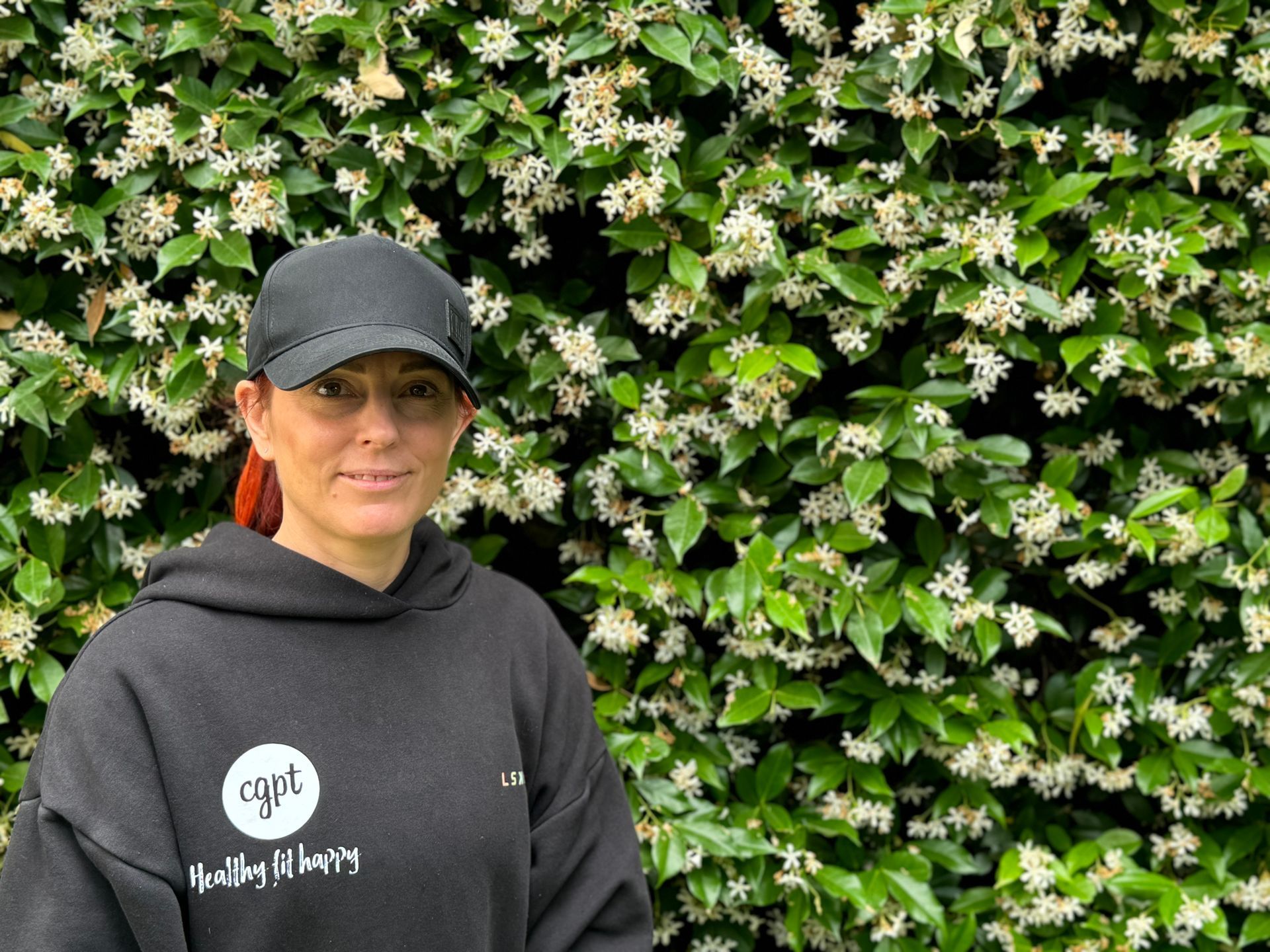
Andrea noticed it instantly, and she was right. The messaging around many executive style fitness programs quietly implies a male audience. Senior partners. High level men. Barristers, judges and male executives with the salary to match. Women are often treated as an afterthought or entirely absent from the discussion, despite being some of the most powerful, busiest and most overstretched professionals in the workforce.


At CGPT, high performing women have always been integral to our community. Our clients include CEOs, surgeons, founders, lawyers, academics, creatives and leaders across every industry. They run companies, lead teams, manage households and shoulder complex emotional, physical and professional loads. They do not need extravagance. They need a training system that supports their reality.


CGPT provides that. No crowds, no chaos and no pressure to perform. Just a calm, private studio where every program is personalised around workload, hormones, injuries, lifestyle and recovery. Our trainers understand stress cycles, perimenopause, knee issues, post pregnancy considerations and the intensity of running a demanding life. This is training that respects you and your time.


No gimmicks. No fluff. Just evidence based strength training that works.


Many executive programs lean heavily on rotating specialists, themed blocks or high concept wellness structures that sound impressive but do not necessarily build long term habits.


CGPT takes a simpler, more effective path. Each client receives continuous coaching backed by physiotherapy led knowledge, structured progressions and careful technique correction. Your program evolves with your stress levels, your sleep quality and even your travel schedule. You are not moved between providers. You have long term oversight from the same expert trainer who understands your goals and tracks your progress precisely.


Results come from consistency and guidance, not from constant novelty.


Your health should not be a status symbol. It should be a strategy.


There is an underlying message in many premium programs. If you can afford them, you deserve to be healthier. If you cannot, you are left with less desirable options. This thinking is outdated and unhelpful.


Strong leaders do not need prestige packaged wellness. They need sustainable wellness. They need stable routines, strong muscles, healthier joints and a body that supports their workload. They need a gym that respects their time and understands the intensity of their life. They need trainers who consider their mental load, their recovery and their long term goals.


CGPT delivers this without unnecessary frills. Our studio is appointment only, which ensures privacy, calm and predictability. There is no competing for space and no waiting for equipment. Every session is structured around you, not around a concept.


Community matters more than luxury.


One of the most powerful aspects of CGPT is the community inside our studio. Our clients are ambitious, intelligent, grounded and kind. There is no ego. No noise. No intimidation. Just people working on themselves with intention. They share life pressures, wins, setbacks and progress with honesty.


This kind of environment builds habits more effectively than any luxury perk. When you train in a space where you feel understood and supported, you show up more consistently. You push harder when you can. You communicate openly when you are struggling. You progress because it feels safe to progress.


This sense of community is something money cannot buy. It is built through people and care, not amenities.


The sustainable choice for high performing professionals.


If you lead a team, run a business, manage a demanding workload or operate in a role where clarity, health and resilience matter, your training needs to support you, not overwhelm you.


CGPT has been delivering high level personal training for years. Our approach is simple, effective and grounded in reality. Real coaching, real expertise and real long term support. All delivered in a private, welcoming studio that feels like an exhale whenever you walk in.


Before considering any high priced fitness program, choose a gym that has built its reputation on consistency, trust and actual outcomes. Not luxury theatre. Not inflated price tags. Just genuine care and training that works.


Your health is your most powerful asset. It deserves to be strengthened, not sensationalised. CGPT is where Melbourne’s high performers come to train without distraction, pressure or judgement.


If you are ready to build strength, resilience and confidence that genuinely lasts, CGPT is ready.


Train privately. Train intelligently. Train with people who care. Train at CGPT.


March 10, 2026
Why Real Estate Agents Struggle to Stay Fit If you work in real estate, your schedule doesn’t look like anyone else’s. Early starts. Late finishes. Weekends that aren’t really weekends. Constant movement between listings, appraisals, client meetings, and auctions. You’re on your feet, in front of people, managing pressure, managing perception, and expected to be “on” all the time. From the outside, it looks active. But from a training perspective, it’s anything but structured. And that’s where things start to break down. Because staying fit in real estate isn’t about motivation. It’s about managing a lifestyle that doesn’t easily accommodate consistency. The Reality of the Hawthorn Real Estate Lifestyle If you’re working across Hawthorn, Camberwell or Kew, you’re operating in one of the most competitive real estate corridors in Australia. Saturday auctions. Mid-week inspections. High-value clients. Constant visibility. There’s a certain standard that comes with that environment. You’re not just selling property. You’re representing a level of professionalism, energy and presence that people notice. And whether it’s spoken or not, how you present physically plays a role in that. Not in a superficial way. In a confidence-driven way. Posture. Energy. Sharpness. The way you carry yourself across a long day. Why Staying Fit Becomes So Difficult On paper, real estate professionals should have no problem staying fit. You’re active. You’re moving. You’re not sitting at a desk all day. But activity is not the same as training. And this is where the gap sits. The biggest challenges tend to be: · Inconsistent schedules that change week to week · Long days that leave little room for structured sessions · Mental fatigue from constant client interaction · Weekends that remove the traditional “free time” most people rely on Over time, this creates a pattern. You train when you can. You stop when things get busy. You start again when things settle down. And the cycle repeats. The Pressure to “Look the Part” This is the part most people won’t say out loud, but it’s always there. Real estate is an image-driven industry. Clients are making high-value decisions. They’re paying attention to detail. They’re assessing trust, credibility and professionalism constantly. And rightly or wrongly, physical presence plays into that. Looking fit isn’t about aesthetics for the sake of it. It’s about: · Confidence · Energy · Authority · Consistency It’s about showing up in a way that reflects the level you operate at. But maintaining that without a system is where most people struggle. Why Most Fitness Approaches Don’t Work When time is limited, people default to what feels efficient. Quick classes. High-intensity sessions. Something they can squeeze in between appointments. And while that can feel productive, it rarely holds up long term. The issue isn’t effort. It’s structure. Without a clear progression model: · Strength doesn’t build · Body composition doesn’t change · Results don’t compound Research consistently shows that structured resistance training leads to significantly greater improvements in strength, lean muscle mass, and long-term metabolic health compared to unstructured or inconsistent training (Kraemer & Ratamess 2004). In other words, it’s not about how often you train. It’s about how your training is designed. Time Isn’t the Problem, Structure Is One of the biggest misconceptions in this space is that you need more time. You don’t. You need a system that works within the time you already have. Studies on time-efficient training show that even 2–3 structured resistance sessions per week can produce significant improvements in strength and body composition, provided the program is progressive and consistent (Grgic et al. 2018). That’s where most people go wrong. They try to fit training around their schedule, instead of building a structure that works with it. What Actually Works for Real Estate Professionals The approach that works isn’t complicated. But it is specific. It needs to be: · Structured · Efficient · Progressive · Repeatable That usually looks like: A consistent weekly framework Not something that changes every week, but a plan that fits around your known commitments. Strength-focused sessions Prioritising resistance training over random high-intensity workouts. Measurable progression Tracking strength, improving over time, building something tangible. Realistic expectations Understanding that consistency beats intensity, especially in a demanding schedule. This is what allows results to build, rather than reset every few weeks. How High-Performing Professionals Approach Training There’s a noticeable shift when you look at people who train consistently at a high level, regardless of how busy they are. They don’t rely on motivation. They rely on systems. Training becomes: · Scheduled, not optional · Structured, not random · Progressive, not repetitive It fits into their week the same way meetings and appointments do. And over time, that consistency compounds. Where CGPT Fits In This is exactly where CGPT works best. We work with a lot of professionals who don’t have time to waste on guesswork, inconsistency or ineffective training. The focus is simple: · Build strength · Create structure · Make training fit your schedule Sessions are efficient, targeted, and designed to move you forward. There’s no need to spend hours in the gym. No need to rely on constantly changing workouts. Just a clear plan, executed consistently. For many clients, that’s the difference between constantly starting over and finally seeing results. A Smarter Next Step If you’re working in real estate and struggling to stay consistent with training, it’s not a reflection of your discipline. It’s a reflection of your environment. And once you understand that, the solution becomes much clearer. You don’t need more time. You need a better system. We offer a free intro session at CGPT , where we: Talk through your schedule Understand what’s been working and what hasn’t Show you how to structure your training properly It’s straightforward, low-pressure, and designed to give you clarity. You can read more about what to expect here: https://www.chrisgympt.com/what-to-expect-at-your-first-personal-training-session-at-cgpt-and-why-its-different-to-every-other-gym From there, you can decide what makes sense. If you’ve been searching for personal training for busy professionals in Melbourne, or looking for a gym for real estate agents that actually works with your schedule, this is usually the point where things start to shift. And once the structure is in place, the results tend to follow. Ready to find out more? Email Andrea REFERENCES Grgic, J, Schoenfeld, BJ, Orazem, J & Sabol, F 2018, Effects of resistance training frequency on gains in muscular strength: a systematic review and meta-analysis, Sports Medicine, vol. 48. Kraemer, WJ & Ratamess, NA 2004, Fundamentals of Resistance Training: Progression and Exercise Prescription, Journal of Strength and Conditioning Research, vol. 16, no. 4.
March 5, 2026
Why You’re Not Getting Results From F45 Even If You Go Every Day There’s a certain type of person who ends up at F45, Barry’s Bootcamp or Orangetheory. They’re consistent. Disciplined. Willing to work hard. They don’t need motivation. They already have it. They like structure, they like intensity, and they like walking out of a session feeling like they’ve done something worthwhile. And for a while, that approach works. Fitness improves, energy lifts, and there’s a sense of momentum that feels encouraging. But over time, something changes. You’re still going regularly. Still pushing yourself. Still sweating through every session. But your body isn’t changing in the way you expected. Strength plateaus. Body composition stalls. The results that once felt inevitable start to feel just out of reach. If you’ve found yourself questioning why, you’re not alone. And more importantly, you’re not doing anything wrong. The Problem Isn’t Effort, It’s Direction Most people assume they need to do more. More sessions. More intensity. More effort. But research consistently shows that effort alone is not what drives physical change. Adaptation - the body’s ability to respond to training - depends on how that effort is structured over time, not just how hard each session feels. There’s a clear distinction between: · Exercising frequently · Training progressively Group training environments are very effective at the first. They are far less reliable at delivering the second. Why HIIT Stops Working for Fat Loss and Strength High-intensity interval training (HIIT) has become one of the most popular training methods globally, largely because it is time-efficient and engaging. It does improve cardiovascular fitness, and studies have shown it can be effective for general health (Weston, Wisløff & Coombes 2014). However, when HIIT becomes the primary or only form of training, its limitations become more apparent. Most sessions are built around: · Elevated heart rate · Repeated short bursts of effort · Constant movement with minimal rest What’s often missing is structured progression. A systematic review published in the British Journal of Sports Medicine found that while HIIT can improve aerobic capacity, it is significantly less effective than resistance training for increasing lean muscle mass and strength (Grgic et al. 2019). This is important because muscle mass plays a critical role in metabolism, body composition, and long-term weight management. In other words, you can be working extremely hard, but without the right stimulus, your body has no reason to change. Sweat Feels Like Progress, But It Isn’t One of the most persistent misconceptions in fitness is that intensity equals results. You can leave a session exhausted, drenched in sweat, completely spent - and still not be progressing. Because sweat is a response. Progress is an adaptation. And adaptation requires progressive overload - the gradual increase of stress placed on the body during training. The American College of Sports Medicine (ACSM) identifies progressive overload as a fundamental principle for improving strength and body composition (ACSM 2009). Without it, the body simply maintains its current state. This is where many group-based programs fall short. The intensity is there, but the progression is not. Why Group Training Hits a Plateau At the beginning, almost any form of training works. Your body is exposed to something new, and it responds quickly. But over time, that response slows. In a group training model: · Workouts vary daily · Exercises change frequently · Load is rarely tracked or progressed systematically This lack of consistency makes it difficult to build strength in a meaningful way. Research published in the Journal of Strength and Conditioning Research highlights that structured resistance training programs with consistent progression lead to significantly greater improvements in strength and muscle mass compared to non-periodised or randomised training approaches (Kraemer & Ratamess 2004). Add to that the absence of individualisation, and the limitations become more obvious. Everyone is following the same session, regardless of their goals, injury history, or training experience. That works well for engagement. It doesn’t work as well for results. Strength Is the Missing Piece If the goal is to: · Improve body composition · Build lean muscle · Increase strength · Support long-term health Then resistance training is not optional. It’s essential. The Australian Government’s physical activity guidelines recommend muscle-strengthening activities at least two days per week, specifically because of their role in improving metabolic health, bone density, and overall physical function (Department of Health and Aged Care 2021). Strength training provides: · Progressive overload · Measurable progression · Increased muscle mass · Improved insulin sensitivity These are the factors that drive visible, lasting change. HIIT alone does not provide this. F45 vs Personal Training: What Actually Changes The difference between group training and personal training is not simply the environment. It’s the intent behind the training. In a group setting, the goal is to deliver a session that works for as many people as possible. In a personalised setting, the goal is to create a program that works specifically for you. That introduces: · Structured progression · Load tracking · Movement-specific coaching · Individualised programming Instead of repeating effort, you’re building capacity. Instead of chasing fatigue, you’re developing strength. This is where the comparison between F45 and personal training becomes meaningful. Not in terms of difficulty, but in terms of outcome. Where CGPT Fits In Most people who come to CGPT are not lacking motivation or discipline. They’ve already proven they can commit to training. What they haven’t had is a system that allows them to progress. At CGPT, the focus is on: · Personalised strength training · Progressive programming · Building strength safely and consistently There’s less emphasis on intensity for the sake of it, and more emphasis on doing the right things over time. For many clients, this is the point where results start to become noticeable again. Not because they’re working harder, but because their training finally has direction. A Smarter Next Step If you’re currently training in a group environment and enjoying it, there’s no reason to stop. But if you’re not seeing results, it’s worth asking whether your current approach is actually giving your body a reason to change. In many cases, the answer becomes clear once you experience something more structured. That’s why we offer a free intro session at CGPT. It’s an opportunity to: · Understand why your progress has stalled · See how a structured strength program works · Get clarity on what your next step should be You can read more about what to expect here: https://www.chrisgympt.com/what-to-expect-at-your-first-personal-training-session-at-cgpt-and-why-its-different-to-every-other-gym From there, you can decide what makes sense for you. If you’ve been searching for alternatives to F45 in Melbourne, comparing personal training vs group fitness, or trying to understand why your results have plateaued, this is usually where things start to shift. Ready to find out more? Email Andrea. REFERENCES: American College of Sports Medicine (ACSM) 2009, Progression Models in Resistance Training for Healthy Adults, Medicine & Science in Sports & Exercise, vol. 41, no. 3, pp. 687–708. Department of Health and Aged Care 2021, Australian Physical Activity and Sedentary Behaviour Guidelines, Australian Government, Canberra. Grgic, J, Schoenfeld, BJ, Skrepnik, M, Davies, TB & Mikulic, P 2019, Effects of resistance training on muscle size and strength in very elderly adults: a systematic review and meta-analysis, British Journal of Sports Medicine, vol. 53, no. 14. Kraemer, WJ & Ratamess, NA 2004, Fundamentals of Resistance Training: Progression and Exercise Prescription, Journal of Strength and Conditioning Research, vol. 16, no. 4. Weston, KS, Wisløff, U & Coombes, JS 2014, High-intensity interval training in patients with lifestyle-induced cardiometabolic disease: a systematic review and meta-analysis, British Journal of Sports Medicine, vol. 48, no. 16.
March 1, 2026
Why Pilates Stops Working And What To Do When Your Body Plateaus If you’ve been doing Pilates consistently, you’re already doing a lot right. You’ve built a routine, you’re moving regularly, and you’ve likely developed better control and awareness in your body. For many people, Pilates is an excellent starting point and can play a valuable role in long-term movement quality. But over time, it’s common to reach a point where progress slows. The sessions stay consistent. The effort is still there. But the results plateau. If you’ve been wondering why, the answer usually comes down to how your body adapts to training. Pilates Isn’t the Problem, But It Has Its Limits Pilates is effective for improving: · Core stability · Movement control · Muscular endurance These are important components of overall fitness. However, these adaptations tend to occur relatively early. Once your body becomes efficient at the movements and resistance levels involved, the stimulus is no longer strong enough to drive further change. This is consistent with the principle of progressive overload, which states that continued improvement requires increasing demand over time (ACSM 2009). Without progression, the body maintains rather than adapts. Why Pilates Stops Working Over Time One of the main limitations of Pilates as a standalone training method is that progression is often limited. Resistance tends to remain within a relatively narrow range, and while exercises can become more complex, they don’t always provide the increasing load required to build strength. Research has shown that while Pilates can improve core endurance and flexibility, it produces significantly smaller gains in muscle strength compared to traditional resistance training (Kloubec 2010). This distinction becomes important when your goals include: · Changing body composition · Building lean muscle · Improving overall strength These outcomes require higher levels of resistance and structured progression. Efficiency vs Adaptation As you continue training in the same way, your body becomes more efficient at those movements. Efficiency reduces the demand placed on your muscles. And when demand decreases, so does the need for adaptation. This is why results plateau, even when consistency remains high. What’s Missing: Strength Training To continue progressing, your body needs a different stimulus. Strength training introduces: · Progressive overload · Higher resistance · Measurable progression These are the key drivers of long-term physical change. The Australian Physical Activity Guidelines specifically recommend incorporating muscle-strengthening activities because of their role in improving metabolic health, bone density, and physical function (Department of Health and Aged Care 2021). This is where strength training becomes essential, not as a replacement for Pilates, but as a complement to it. Pilates and Strength Training Work Better Together It’s important to recognise that Pilates and strength training are not competing methods. They serve different purposes. Pilates supports: · Movement quality · Stability · Control Strength training supports: · Muscle development · Load tolerance · Long-term progression When combined, they create a more balanced and effective approach. What To Do When You Hit a Plateau If you’ve reached a point where Pilates no longer feels like it’s delivering results, the solution is not to abandon it entirely. It’s to add what’s missing. Introducing structured strength training allows you to: · Build strength progressively · Challenge your body in new ways · Continue adapting At the same time, Pilates can remain part of your routine, supporting recovery and movement quality. Where CGPT Fits In Many of our clients come to CGPT after doing Pilates for years. They’ve built consistency and a strong foundation, but they’ve reached a point where progress has stalled. What they need is not more effort, but a more structured approach. At CGPT, the focus is on: · Personalised strength training · Progressive programming · Building confidence with weights Some clients continue Pilates alongside their training. Others transition more fully. Both approaches can work. The difference is having a plan that allows you to keep progressing. What To Do Next If you’ve been doing Pilates and feel like your results have plateaued, this is often the point where a small shift creates a significant change. You don’t need to start over. You just need to introduce the right stimulus. We offer a free intro session at CGPT, where we: · Talk through your current routine · Assess where you’re at · Show you how we would structure your training You can read more about what to expect here: https://www.chrisgympt.com/what-to-expect-at-your-first-personal-training-session-at-cgpt-and-why-its-different-to-every-other-gym From there, you can decide what feels right. Ready to find out more? Email Andrea. REFERENCES: American College of Sports Medicine (ACSM) 2009, Progression Models in Resistance Training for Healthy Adults, Medicine & Science in Sports & Exercise. Department of Health and Aged Care 2021, Australian Physical Activity and Sedentary Behaviour Guidelines, Australian Government. Kloubec, JA 2010, Pilates for improvement of muscle endurance, flexibility, balance, and posture, Journal of Strength and Conditioning Research.