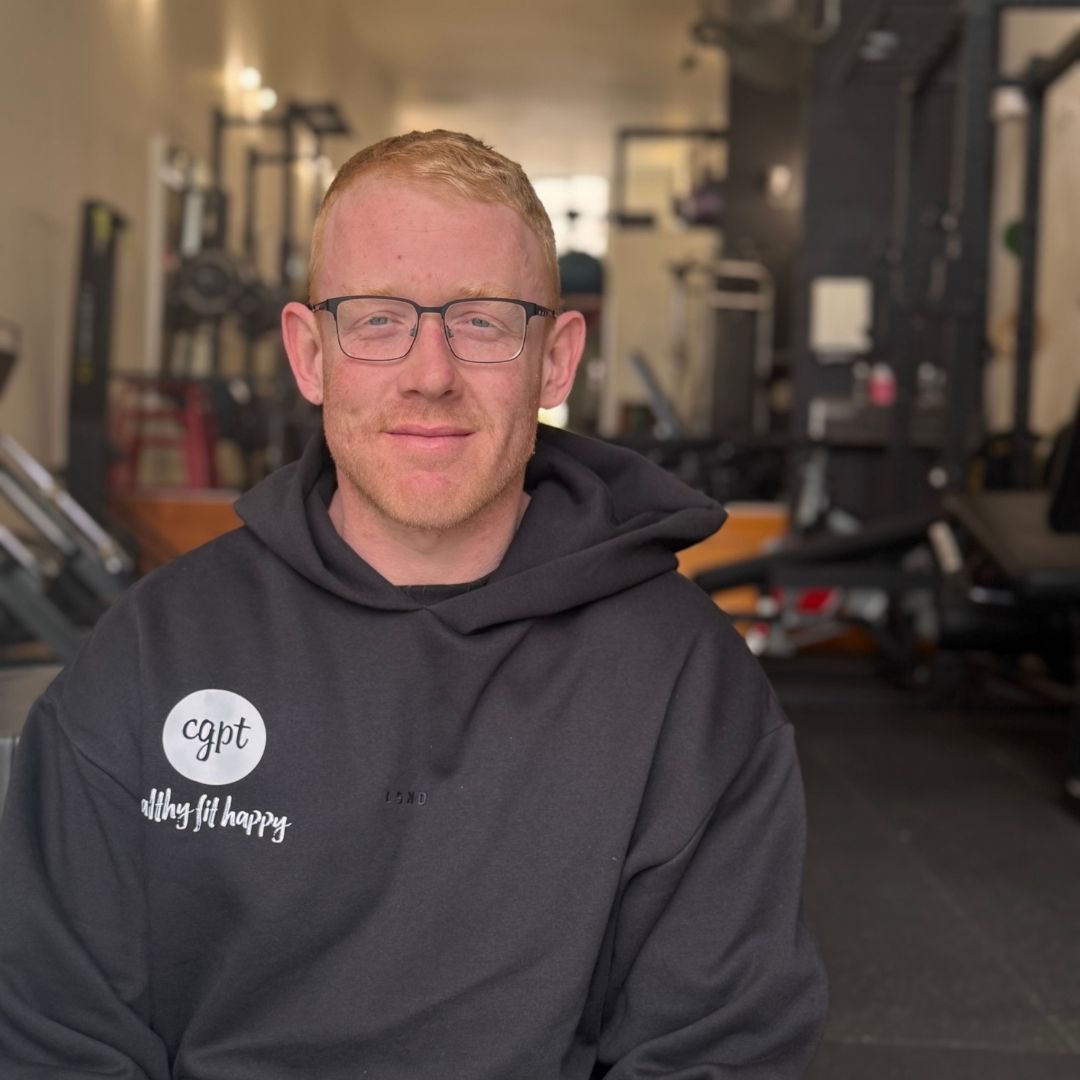
CGPT Trainer: James Shaw

Meet James Shaw: The Fun and Goal-Driven Trainer at Chris’ Gym


At Chris’ Gym, personal trainer James brings a unique combination of energy, expertise, and a genuine love for helping people achieve their goals. With a laid-back yet focused approach, James has earned a reputation for making fitness enjoyable and rewarding for his clients. From his background in sports science to his knack for creating fun, effective workouts, James is all about helping people embrace fitness as part of their everyday lives.


Here’s everything you need to know about James, his training philosophy, and why he’s a favourite among clients at Chris’ Gym.


A Natural Passion for Sport and Helping Others


For James, becoming a personal trainer wasn’t the result of a dramatic life change - it was simply a natural fit. “I’ve always enjoyed sport and helping people,” James says. His love for movement and a desire to support others on their fitness journeys inspired him to pursue a Bachelor of Exercise and Sport Science and become a certified ASCA Level 2 coach. These qualifications gave him the knowledge and tools to help clients safely and effectively reach their fitness goals.


James joined Chris’ Gym with the mission of combining his love for fitness with his talent for motivating others. “Seeing people reach their goals and actually enjoy training is the most rewarding part of the job,” he says. It’s this simple yet powerful passion for improving lives through fitness that drives James every day.


Making Fitness Fun, Enjoyable, and Rewarding


James sums up his training style in three words: fun, enjoyable, and rewarding. He believes that fitness shouldn’t feel like a chore - it should be something you genuinely look forward to. This philosophy is at the heart of every session he leads. Whether it’s celebrating small wins or introducing creative exercises, James ensures his clients feel engaged and excited about working out.


Strength training is James’ favourite type of workout to teach, and for good reason. “Strength is needed in so many aspects of life,” he explains. From improving performance in sports to making daily activities like lifting groceries or climbing stairs easier, strength training has practical benefits for everyone. James loves helping clients discover how getting stronger can improve their quality of life and boost their confidence in ways they never expected.


Empowering Clients Through Comfort and Confidence


James knows that stepping into a gym can be intimidating for some people, especially beginners. To ensure every client feels empowered, he focuses on making them comfortable from the start. “I spend time talking to them, making sure they feel at ease, and celebrating their achievements,” James explains. Whether it’s a first-time lifter nailing their form or a seasoned athlete hitting a personal best, James always highlights progress to keep clients motivated and confident.


His ability to connect with clients on a personal level sets him apart. James takes the time to understand each individual’s goals, concerns, and preferences, tailoring his approach to make every session a positive experience. By creating an encouraging and supportive environment, James ensures that clients leave feeling stronger, both physically and mentally.


Turning Setbacks Into Comebacks


One of the most impactful parts of James’ career has been helping clients recover from injuries. “I’ve worked with clients who were injured in their sport and helped them rehab to the point where they could play again,” he says. Seeing someone regain their confidence and return to doing what they love is deeply fulfilling for James. His expertise in rehabilitation, combined with his approachable and optimistic demeanour, makes him an invaluable guide for clients facing physical setbacks.


For James, it’s not just about the physical progress - it’s about the mental resilience that clients develop along the way. Whether it’s rebuilding strength after an injury or overcoming self-doubt, James is there to support his clients through every challenge.


The Key to Success: Find What You Enjoy


James has one piece of advice for every client: “Adherence is key, so make sure you find something you enjoy and want to do consistently.” He emphasises that fitness isn’t a one-size-fits-all journey. Whether it’s strength training, sports, or group classes, finding an activity that feels fun and rewarding is the secret to sticking with it long-term.

This philosophy is central to James’ training style. By making workouts enjoyable and tailored to each client’s preferences, he helps them stay committed and motivated. It’s not about pushing people into a routine they dread - it’s about finding what works for them and making fitness a positive part of their lives.


Life Outside the Gym: Beaches, Basketball, and Tim Tams


When James isn’t in the gym, he stays active with a mix of fun and relaxation. “I enjoy going to the beach, playing basketball, and competing in 100m sprints,” he says. These activities keep him refreshed and energised, giving him the balance he needs to bring his best to his clients.


James also has a hidden talent that might surprise people: “I’m excellent at eating a whole packet of Tim Tams,” he jokes. His light-hearted personality and down-to-earth nature make him relatable and easy to connect with, adding to the positive atmosphere he creates in every training session.


Why Train with James at Chris’ Gym?


James brings a fresh and engaging approach to personal training at Chris’ Gym. With his focus on fun, rewarding workouts and his dedication to helping clients feel confident and empowered, James has a knack for turning fitness into a lifelong habit for his clients. Whether you’re recovering from an injury, looking to build strength, or just starting out on your fitness journey, James’ supportive and customised training style will help you achieve your goals - and enjoy the process along the way.


Ready to make fitness fun again? Join James at Chris’ Gym and discover how strength training and a positive approach can transform your health and happiness. With James by your side, you’ll find yourself celebrating wins big and small and loving every step of the journey.


March 10, 2026
Meet Noah Fry: The Precision-Driven Strength Coach at CGPT At CGPT in Hawthorn, Noah Fry brings a rare blend of early dedication, formal education, and high-level athletic exposure into a coaching style built for everyday people who want to move, look and feel better. With qualifications spanning Certificate III & IV in Fitness, a Diploma of Sport, and a Bachelor’s degree in Sports Science and Sports Management, Noah delivers intelligent, progressive strength training inside Hawthorn’s leading private gym. His approach is structured, adaptable and grounded in technical mastery - without ever losing sight of the individual in front of him. Whether you’re focused on body composition, foundational strength, or simply regaining consistency, Noah’s coaching is built around one principle: your journey is yours. Starting Young, Building Deep Expertise Noah began working with a personal trainer at just 15 years old. What started as a teenage interest in improving performance quickly evolved into something much bigger. Under the guidance of his first coach, he learned the importance of mastering fundamental movement patterns before progressing to more advanced training. That early exposure shaped how he now coaches others - prioritising sound mechanics, structured progressions, and long-term development over shortcuts. By 17, Noah had completed his Certificate III and IV in Fitness while still in Year 11, studying at night school to accelerate his path into the industry. He then completed a Diploma of Sport before advancing into university studies in Sports Science and Sports Management. This layered education gives Noah a depth of knowledge that supports both general population clients and those wanting to incorporate more dynamic training elements into their program. Power, Foundations and Intelligent Progression Noah naturally gravitates toward coaching explosive and power-based work - sprint mechanics, acceleration drills, controlled barbell lifts and athletic accessories. However, at CGPT, these tools are applied strategically. In a private gym setting focused on real-world results for adults of all ages, Noah ensures that clients first develop capacity, control and confidence before increasing intensity. Every program is structured around clean movement execution and progressive overload. This makes his coaching ideal for: · Sustainable physique development · Long-term performance resilience · Structured programs inside a private gym environment · Power training in Melbourne · Body fat reduction programs The goal is never to mimic elite sport. It’s to help everyday clients feel capable, strong and technically sound. Coaching That Reads the Room One of Noah’s strongest qualities is situational awareness. He pays close attention to how someone presents when they arrive for their session - physically and mentally. Not every day calls for maximal output. Some days require adjustment. Knowing when to dial intensity up or pull it back ensures clients leave feeling accomplished rather than depleted. He reinforces autonomy in his coaching. There’s no comparison, no rigid mould. Instead, there’s a clear message: What works for someone else may not work for you - and that’s perfectly fine. We’ll find what does. Transformations That Really Matter Among the many progress stories Noah has been part of, one stands out. A client who initially struggled with motivation and personal challenges gradually rebuilt consistency through structured programming and supportive coaching. Over time, they achieved an 8% body fat reduction. More importantly, they regained momentum, routine and belief in their own capability. For Noah, those incremental wins - showing up, completing sessions, building discipline - are what compound into life-changing outcomes. From the Sunshine Coast to Scholarship Offers Originally from Queensland’s Sunshine Coast, Noah grew up around outdoor sport and beach culture. That environment shaped his athletic background and competitive drive. He later earned a scholarship offer to play college football in the United States - an opportunity that ultimately couldn’t proceed due to COVID-19 restrictions. Rather than viewing it as a setback, Noah channels that experience into his coaching philosophy: adaptability, resilience and forward momentum. High-level sport gave him perspective. Coaching everyday people gives him purpose. Outside the Gym When he’s not on the gym floor at CGPT, Noah gravitates toward the coast whenever possible. Time by the ocean remains his reset button. He also carries a competitive edge from his athletic past - one that quietly drives the precision and focus he brings into every session. Why Train With Noah at CGPT? If you’re searching for a personal trainer in Hawthorn who combines formal sports science education with practical, adaptable programming, Noah Fry offers a refined, structured and motivating approach. His sessions are ideal for: · Anyone wanting expert guidance · Clients pursuing body fat reduction · Individuals rebuilding routine and discipline · Those wanting safe, progressive strength development · Anyone curious about adding power elements without compromising fundamentals At CGPT’s private gym in Hawthorn, Noah helps clients build strength with clarity, confidence and direction. Your training doesn’t need to look like anyone else’s. It just needs to work for you.
November 14, 2025
Meet Josh Martin: The Fun, Empathetic and Clinically-Skilled Trainer at CGPT At CGPT in Hawthorn, personal trainer Josh Martin brings together clinical expertise, lived experience with injury, and an infectious love of movement to help clients feel stronger, more confident, and genuinely enjoy training again. With a Master’s qualification in Clinical Exercise Physiology and a background in competitive sport, Josh works with a broad range of clients, from those returning from injury to everyday people who simply want to move better and feel healthier. Josh’s philosophy is simple: training should be effective, supportive, and most importantly, something people actually look forward to. From Injury to Purpose-Driven Coaching Josh’s path into personal training was shaped by his own setbacks. As a cricketer, he experienced both a significant back injury and a shoulder reconstruction, which introduced him to high-quality rehabilitation and strength coaching early on. “Working with great trainers during that time showed me how powerful good coaching can be,” Josh explains. “I wanted to give back to the industry that gave me so much, and connect with clients on a more personal, empathetic level.” That experience now underpins everything Josh does at CGPT. He understands what it feels like to be limited by injury, uncertain about your body, and rebuilding confidence one step at a time. Clinical Knowledge, Applied to Real People Josh holds a Master’s degree in Clinical Exercise Physiology, which has given him extensive exposure to clients managing injuries, medical conditions, and complex rehabilitation journeys. At CGPT, he applies that knowledge in a practical, approachable way, supporting a general population clientele, while drawing on his clinical experience to ensure training is safe, progressive, and effective. This balance allows Josh to work confidently with clients who may be returning from injury, managing pain, or simply wanting reassurance that their training is being guided by someone with a deep understanding of the body. “I love helping people achieve their goals, no matter where they’re starting from,” he says. “Everyone starts somewhere.” A Training Style That Keeps People Coming Back If Josh had to describe his coaching style in three words, it would be fun, fun, fun. But make no mistake, behind the smiles and conversation is structured, intelligent programming. Josh believes enjoyment is not a bonus, it’s essential. When people enjoy training, they stay consistent, and consistency is where results are built. His favourite movement to coach is the squat, a foundational pattern that shows up everywhere in daily life. “It’s such an important movement,” Josh explains. “And it can be adapted in so many ways, for strength, control, rehab, or performance.” Sessions with Josh are supportive, encouraging, and tailored to each client’s capacity on the day. He focuses on small, sustainable improvements, backing clients to chase that extra one percent over time. Transformations That Truly Matter One of Josh’s most meaningful coaching experiences involved working with a client who had battled leukaemia three times. When they first began training, she could only manage 20 minutes of exercise. Over time, with consistent support and encouragement, she progressed to full one-hour sessions and was able to return to acting, her true passion. “That’s the stuff that stays with you,” Josh says. “Training isn’t just about fitness. It’s about giving people their lives back.” Life Outside the Gym When Josh isn’t on the gym floor at CGPT, he’s usually playing or following cricket, reading, watching films, or spending time with his girlfriend. A self-confessed movie buff, he enjoys unwinding away from the gym just as much as he enjoys bringing energy into it. And if you’re lucky, you might even hear his surprisingly accurate Donald Duck impression, a hidden talent that usually catches clients completely off guard. Why Train With Josh at CGPT? Josh Martin is the kind of trainer who makes people feel comfortable from day one. His blend of clinical exercise physiology knowledge, personal experience with injury, and genuinely upbeat coaching style makes him an invaluable part of the CGPT team. Whether your goal is returning to training after injury, building strength safely, or simply finding a personal trainer in Hawthorn who makes the gym feel less intimidating, Josh brings empathy, structure, and positivity to every session. As Josh puts it best: “Let’s have some fun, and let’s get you moving. Even one small step is a big step in the right direction for your health.” 
August 26, 2025
Common Gym Myths Debunked: The Truth About Getting Stronger, Leaner, and Healthier The fitness world is full of noise - and unfortunately, a lot of myths. From “lifting makes you bulky” to “cardio is the only way to lose weight,” misinformation has kept far too many people stuck, frustrated, and spinning their wheels. At CGPT in Hawthorn , we believe in cutting through the noise with what actually works: evidence, not hype. Whether you’re just starting your training journey or looking to refine what you’re already doing, understanding the truth behind these myths can completely change the way you see exercise. Let’s set the record straight on six of the most common misconceptions that hold people back from achieving lasting results. Myth 1: “Lifting Makes You Bulky” One of the most persistent myths in fitness, especially among women, is the fear that lifting weights will lead to oversized, bulky muscles. The reality: Building large amounts of muscle takes years of dedicated, high-volume training, a calorie surplus, and very specific programming. For most people - particularly those training a few times a week and maintaining a balanced diet - strength training leads to a leaner, more toned body composition, not bulk. Research shows that women typically have 10 - 30 times lower testosterone levels than men (Kraemer et al. 1998), making extreme hypertrophy naturally limited. What strength training does do is: · Increase muscle definition and firmness · Improve metabolism and fat utilisation · Enhance long-term weight maintenance In fact, studies confirm that resistance training not only preserves lean mass during weight loss but improves metabolic rate, making fat loss easier and more sustainable (Willis et al. 2012). 💡 Takeaway: Lifting weights shapes your body - it doesn’t inflate it. Myth 2: “Sweating More Means a Better Workout” Sweat has become a misguided badge of honour in the fitness world. But the truth is, it’s simply your body’s way of cooling itself, not an indicator of effort or effectiveness. The reality: Progress comes from the quality of your movement, appropriate intensity, and consistent progression - not how soaked your shirt is. Factors like room temperature, genetics, and hydration levels influence sweat output far more than workout quality. A perfectly executed strength session with good form and control might produce minimal sweat but deliver maximum results for muscle, strength, and metabolism. As exercise physiologist Dr. John Hawley (Australian Catholic University) explains, adaptation comes from mechanical tension, not perspiration - the repeated challenge that signals the body to get stronger and more efficient. 💡 Takeaway: Don’t chase sweat. Chase progress. Myth 3: “You Need to Train Every Day to See Results” More isn’t always better - especially when it comes to training. The reality: Most people make their best progress training two to four times per week, with adequate recovery between sessions. Strength improvements come from the body repairing and rebuilding after training - a process that requires rest and proper nutrition. Exercising daily without recovery increases the risk of fatigue, injury, and burnout. Studies show that muscle protein synthesis remains elevated for up to 48 hours after resistance training (MacDougall et al. 1995), meaning more frequent sessions often deliver diminishing returns. At CGPT, we see far better outcomes when training programs are structured and intentional, not relentless. Rest is part of progress, not the absence of it. 💡 Takeaway: Training smarter always beats training harder. Myth 4: “Cardio Is the Only Way to Lose Fat” It’s true that cardio helps burn calories and supports cardiovascular health. But when it comes to sustainable fat loss and body composition change, strength training wins every time. The reality: Strength training increases resting metabolic rate by building and maintaining muscle - meaning you burn more energy even while resting. In contrast, excessive cardio can lead to muscle loss if not balanced with resistance work and adequate nutrition. A landmark study published in Obesity found that combining strength training with moderate cardio led to greater fat loss and better weight maintenance than cardio alone (Willis et al. 2012). Similarly, resistance training has been shown to reduce visceral fat - the harmful fat around organs - even without major changes to body weight (Strasser & Schobersberger 2011). 💡 Takeaway: Cardio trains your heart. Strength training transforms your body. Myth 5: “Women Should Train Differently Than Men” This myth is outdated and unsupported by science. The reality: Muscles respond to the same principles of training regardless of gender. Both men and women benefit from progressive overload (gradually increasing challenge over time), proper technique, and balanced programming that includes strength, mobility, and recovery. Where the difference lies is in individualisation, not gender. Women’s hormonal fluctuations, life stages (such as pregnancy, postpartum, or menopause), and recovery needs may influence how training is structured but the physiological mechanisms of building strength remain identical (Haizlip et al. 2015). Research published in the Journal of Applied Physiology found that men and women experience comparable relative strength and hypertrophy gains when training under similar conditions (Hubal et al. 2005). 💡 Takeaway: The principles of strength training are universal. The best programs are simply tailored to you. Myth 6: “Lifting Is Bad for Your Joints” This myth couldn’t be further from the truth - when done correctly, lifting protects your joints rather than harms them. The reality: Strength training improves joint health by strengthening the muscles, tendons, and connective tissues that support and stabilise them. It enhances joint range of motion, improves balance, and reduces pain associated with conditions like arthritis. In a meta-analysis published in the British Journal of Sports Medicine, researchers found that resistance training significantly improved pain and function in adults with osteoarthritis (Fransen et al. 2015). Controlled loading, rather than avoidance, is what keeps joints healthy over time. The key is proper technique, progressive loading, and professional supervision - all of which are central to how CGPT programs are designed. 💡 Takeaway: Done right, lifting is joint therapy, not joint stress. Bringing It All Together: What Actually Works Real results in the gym come from three things: 1. Consistency – showing up regularly enough for your body to adapt. 2. Progressive Challenge – gradually increasing intensity to keep improving. 3. Recovery – allowing your body to repair, rebuild, and grow stronger. It’s absolutely not about trends, extremes, or doing more. It’s about balance: the kind that supports strength, mobility, mental clarity, and long-term health. At CGPT, every program is built on these principles. Our private, evidence-based environment removes the confusion of fad fitness and replaces it with science, structure, and support. Whether you’re starting fresh or refining your training approach, you’ll find clarity, confidence, and a system that works. Email Andrea at andrea@chrisgympt.com to learn how our personalised programs can help you train smarter, move better, and build strength that lasts. References · Fransen, M, et al. 2015, Exercise for osteoarthritis of the knee: a Cochrane systematic review, British Journal of Sports Medicine, 49(24), pp. 1554–1557. · Haizlip, KM, Harrison, BC & Leinwand, LA 2015, Sex-based differences in skeletal muscle kinetics and fibre-type composition, Journal of Applied Physiology, 118(4), pp. 376–382. · Hubal, MJ, et al. 2005, Variability in muscle size and strength gain after unilateral resistance training, Medicine & Science in Sports & Exercise, 37(6), pp. 964–972. · Kraemer, WJ, et al. 1998, Compatibility of high-intensity strength and endurance training on hormonal and skeletal muscle adaptations, Journal of Applied Physiology, 85(1), pp. 382–396. · MacDougall, JD, et al. 1995, The time course for elevated muscle protein synthesis following heavy resistance exercise, Canadian Journal of Applied Physiology, 20(4), pp. 480–486. · Strasser, B & Schobersberger, W 2011, Evidence for resistance training as a treatment therapy in obesity, Journal of Obesity, 2011, pp. 1–9. · Willis, LH, et al. 2012, Effects of aerobic and/or resistance training on body mass and fat mass in overweight or obese adults, Obesity, 20(8), pp. 1623–1632.