Strong Starts Here: How CGPT Helps Women Prepare for Pregnancy with Confidence

Strong Starts Here: How CGPT Helps Women Prepare for Pregnancy with Confidence


Preparing your body for pregnancy is about more than nutrition and timing - it’s about building the strength, stability, and energy to support a growing body and an evolving life.


At CGPT in Hawthorn, we help women at every stage of the fertility journey feel physically prepared, confident, and strong. Whether you’re planning to conceive soon or simply want to create a healthier foundation for the future, our private gym and experienced trainers offer the guidance and support you need to train safely and effectively.


Why Strength Training Before Pregnancy is Important


Pregnancy is one of the most physically demanding experiences the body can go through. The right preparation makes a world of difference. Research from the University of Queensland (Davenport et al., 2019) found that women who entered pregnancy with better strength and conditioning experienced fewer musculoskeletal issues, improved energy, and faster postpartum recovery.


Strength training before conception isn’t about pushing limits - it’s about developing a balanced, stable body capable of handling change. By strengthening the core, glutes, and back, you’re giving yourself the support system needed for pregnancy and beyond.


At CGPT, our focus is on functional movement - training that improves how you feel and move in everyday life. We design each program around your current fitness level, goals, and comfort, ensuring you’re always working within safe and sustainable boundaries.


A Private and Supportive Environment


CGPT isn’t a typical big box gym. Our private gym in Hawthorn provides a calm, welcoming space free from distractions and crowds. Every client trains in a one-on-one or small private setting, giving you the confidence to focus fully on your body and your goals.


We work with women of all ages, backgrounds, and fitness levels - from those just beginning their fitness journey to those with established training experience. Our environment is inclusive, respectful, and designed to make every session feel comfortable and achievable.


For women preparing for pregnancy, that privacy and personalisation make all the difference. You’ll never be left wondering if you’re doing the right exercise or pushing too hard - every session is guided, safe, and structured for your unique stage of life.


Expert Trainers Who Understand Women’s Health


The CGPT trainer team brings a wealth of experience in strength training, movement correction, and women’s health. Each program is evidence-based, drawing from current research on hormonal health, pelvic stability, and injury prevention.


Our trainers collaborate closely with clients to help them:


·       Build the core and glute strength that supports a growing belly.

·       Improve posture and balance for long-term comfort.

·       Reduce back and hip tension before it becomes an issue.

·       Feel more energised and confident leading into pregnancy.


We also understand the emotional and mental side of the process. Pre-pregnancy can be a hopeful but uncertain time - training at CGPT offers a sense of routine, calm, and empowerment that supports not just your body but your overall wellbeing.


Safe, Smart, and Science-Based


Strength training before pregnancy is safe and highly beneficial when done correctly. Studies from Monash University (Smith et al., 2020) and the Australian Institute of Sport (2022) confirm that resistance training supports hormonal balance, improves bone density, and reduces chronic inflammation - all factors linked to reproductive health.


Our approach focuses on progression, not perfection. You’ll build strength gradually, develop stability through movement, and feel your confidence grow with each session. And because our programs are tailored around you, we can easily adapt your training as your needs evolve - before, during, or after pregnancy.


Why Women Choose CGPT


Women choose CGPT because it’s a space where they feel seen, supported, and genuinely cared for. Every detail of the experience - from the welcoming environment to the one-on-one coaching - is designed to help you feel empowered in your own skin.


Here’s what sets us apart:


·       Private setting: No crowds, no waiting, no distractions.

·       Personalised programs: Tailored specifically to your stage of life and fitness level.

·       Experienced trainers: Specialists in strength training, pre- and post-natal care, and safe exercise progression.

·       Inclusive culture: We welcome women of all ages, abilities, and backgrounds.


Yes, it’s about getting stronger but it’s also about feeling genuinely ready for whatever comes next.


Begin Your Journey with Confidence


If you’re thinking about starting a family soon, now is the perfect time to invest in your strength. Training at CGPT gives you the tools to support your body through pregnancy, recovery, and motherhood with confidence.


Our team is here to guide you every step of the way - with knowledge, compassion, and a focus on long-term health.


Email Andrea today at andrea@chrisgympt.com to start your pre-pregnancy strength program.


Because when it comes to preparing for pregnancy, building strength is one of the most powerful things you can do - for yourself, and for the life you’re creating.

August 26, 2025
Common Gym Myths Debunked: The Truth About Getting Stronger, Leaner, and Healthier The fitness world is full of noise - and unfortunately, a lot of myths. From “lifting makes you bulky” to “cardio is the only way to lose weight,” misinformation has kept far too many people stuck, frustrated, and spinning their wheels. At CGPT in Hawthorn , we believe in cutting through the noise with what actually works: evidence, not hype. Whether you’re just starting your training journey or looking to refine what you’re already doing, understanding the truth behind these myths can completely change the way you see exercise. Let’s set the record straight on six of the most common misconceptions that hold people back from achieving lasting results. Myth 1: “Lifting Makes You Bulky” One of the most persistent myths in fitness, especially among women, is the fear that lifting weights will lead to oversized, bulky muscles. The reality: Building large amounts of muscle takes years of dedicated, high-volume training, a calorie surplus, and very specific programming. For most people - particularly those training a few times a week and maintaining a balanced diet - strength training leads to a leaner, more toned body composition, not bulk. Research shows that women typically have 10 - 30 times lower testosterone levels than men (Kraemer et al. 1998), making extreme hypertrophy naturally limited. What strength training does do is: · Increase muscle definition and firmness · Improve metabolism and fat utilisation · Enhance long-term weight maintenance In fact, studies confirm that resistance training not only preserves lean mass during weight loss but improves metabolic rate, making fat loss easier and more sustainable (Willis et al. 2012). 💡 Takeaway: Lifting weights shapes your body - it doesn’t inflate it. Myth 2: “Sweating More Means a Better Workout” Sweat has become a misguided badge of honour in the fitness world. But the truth is, it’s simply your body’s way of cooling itself, not an indicator of effort or effectiveness. The reality: Progress comes from the quality of your movement, appropriate intensity, and consistent progression - not how soaked your shirt is. Factors like room temperature, genetics, and hydration levels influence sweat output far more than workout quality. A perfectly executed strength session with good form and control might produce minimal sweat but deliver maximum results for muscle, strength, and metabolism. As exercise physiologist Dr. John Hawley (Australian Catholic University) explains, adaptation comes from mechanical tension, not perspiration - the repeated challenge that signals the body to get stronger and more efficient. 💡 Takeaway: Don’t chase sweat. Chase progress. Myth 3: “You Need to Train Every Day to See Results” More isn’t always better - especially when it comes to training. The reality: Most people make their best progress training two to four times per week, with adequate recovery between sessions. Strength improvements come from the body repairing and rebuilding after training - a process that requires rest and proper nutrition. Exercising daily without recovery increases the risk of fatigue, injury, and burnout. Studies show that muscle protein synthesis remains elevated for up to 48 hours after resistance training (MacDougall et al. 1995), meaning more frequent sessions often deliver diminishing returns. At CGPT, we see far better outcomes when training programs are structured and intentional, not relentless. Rest is part of progress, not the absence of it. 💡 Takeaway: Training smarter always beats training harder. Myth 4: “Cardio Is the Only Way to Lose Fat” It’s true that cardio helps burn calories and supports cardiovascular health. But when it comes to sustainable fat loss and body composition change, strength training wins every time. The reality: Strength training increases resting metabolic rate by building and maintaining muscle - meaning you burn more energy even while resting. In contrast, excessive cardio can lead to muscle loss if not balanced with resistance work and adequate nutrition. A landmark study published in Obesity found that combining strength training with moderate cardio led to greater fat loss and better weight maintenance than cardio alone (Willis et al. 2012). Similarly, resistance training has been shown to reduce visceral fat - the harmful fat around organs - even without major changes to body weight (Strasser & Schobersberger 2011). 💡 Takeaway: Cardio trains your heart. Strength training transforms your body. Myth 5: “Women Should Train Differently Than Men” This myth is outdated and unsupported by science. The reality: Muscles respond to the same principles of training regardless of gender. Both men and women benefit from progressive overload (gradually increasing challenge over time), proper technique, and balanced programming that includes strength, mobility, and recovery. Where the difference lies is in individualisation, not gender. Women’s hormonal fluctuations, life stages (such as pregnancy, postpartum, or menopause), and recovery needs may influence how training is structured but the physiological mechanisms of building strength remain identical (Haizlip et al. 2015). Research published in the Journal of Applied Physiology found that men and women experience comparable relative strength and hypertrophy gains when training under similar conditions (Hubal et al. 2005). 💡 Takeaway: The principles of strength training are universal. The best programs are simply tailored to you. Myth 6: “Lifting Is Bad for Your Joints” This myth couldn’t be further from the truth - when done correctly, lifting protects your joints rather than harms them. The reality: Strength training improves joint health by strengthening the muscles, tendons, and connective tissues that support and stabilise them. It enhances joint range of motion, improves balance, and reduces pain associated with conditions like arthritis. In a meta-analysis published in the British Journal of Sports Medicine, researchers found that resistance training significantly improved pain and function in adults with osteoarthritis (Fransen et al. 2015). Controlled loading, rather than avoidance, is what keeps joints healthy over time. The key is proper technique, progressive loading, and professional supervision - all of which are central to how CGPT programs are designed. 💡 Takeaway: Done right, lifting is joint therapy, not joint stress. Bringing It All Together: What Actually Works Real results in the gym come from three things: 1. Consistency – showing up regularly enough for your body to adapt. 2. Progressive Challenge – gradually increasing intensity to keep improving. 3. Recovery – allowing your body to repair, rebuild, and grow stronger. It’s absolutely not about trends, extremes, or doing more. It’s about balance: the kind that supports strength, mobility, mental clarity, and long-term health. At CGPT, every program is built on these principles. Our private, evidence-based environment removes the confusion of fad fitness and replaces it with science, structure, and support. Whether you’re starting fresh or refining your training approach, you’ll find clarity, confidence, and a system that works. Email Andrea at andrea@chrisgympt.com to learn how our personalised programs can help you train smarter, move better, and build strength that lasts. References · Fransen, M, et al. 2015, Exercise for osteoarthritis of the knee: a Cochrane systematic review, British Journal of Sports Medicine, 49(24), pp. 1554–1557. · Haizlip, KM, Harrison, BC & Leinwand, LA 2015, Sex-based differences in skeletal muscle kinetics and fibre-type composition, Journal of Applied Physiology, 118(4), pp. 376–382. · Hubal, MJ, et al. 2005, Variability in muscle size and strength gain after unilateral resistance training, Medicine & Science in Sports & Exercise, 37(6), pp. 964–972. · Kraemer, WJ, et al. 1998, Compatibility of high-intensity strength and endurance training on hormonal and skeletal muscle adaptations, Journal of Applied Physiology, 85(1), pp. 382–396. · MacDougall, JD, et al. 1995, The time course for elevated muscle protein synthesis following heavy resistance exercise, Canadian Journal of Applied Physiology, 20(4), pp. 480–486. · Strasser, B & Schobersberger, W 2011, Evidence for resistance training as a treatment therapy in obesity, Journal of Obesity, 2011, pp. 1–9. · Willis, LH, et al. 2012, Effects of aerobic and/or resistance training on body mass and fat mass in overweight or obese adults, Obesity, 20(8), pp. 1623–1632.
August 19, 2025
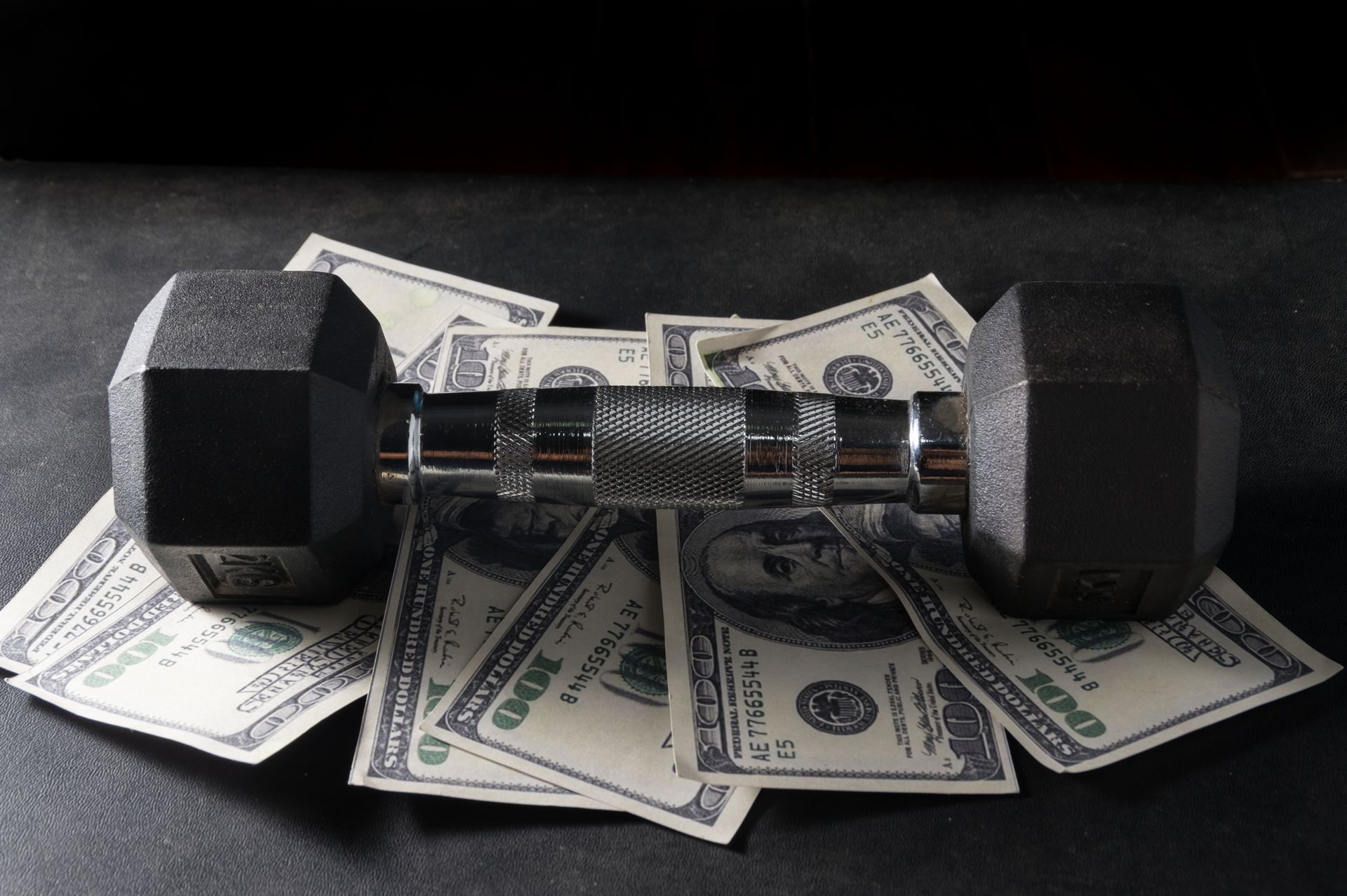
Strength, Sanity and Actual Results: Why C Suite Leaders Choose CGPT Over High Priced Executive Fitness Programs Every few weeks another headline appears about a boutique gym offering an ultra premium program for executives. The promise is usually the same: concierge style services, multiple specialists, a luxury environment and a price tag that looks more like a corporate retreat than a training program. These offerings claim to help leaders sleep better, eat better, manage stress better and perform at their peak. There is just one issue. You do not need an elite tier, high cost executive program to build resilience or get strong. You do not need glossy extras to develop consistency. What you actually need is a private, well equipped gym, highly qualified personal trainers and a plan that fits your real life. You need something sustainable, not performative. This is exactly where CGPT has stood apart for years. CGPT is a fully private, strength focused personal training studio in Hawthorn. Unlike many high priced, high concept executive programs, CGPT built its reputation on outcomes rather than theatrics. Real clients, real careers and real lives improved through structured, personalised training grounded in science. Our clients include senior leaders, business owners, medical specialists, creatives and professionals who operate at an extremely high level. They do not have time for gimmicks. They want expertise, clarity and professionalism. And importantly, they want all of that without the crazy financial barrier. The executive wellness trend. Helpful or just expensive? The current wave of luxury fitness offerings often frames itself as an investment in leadership. They speak about burnout prevention, succession planning, workload stress and performance under pressure. These are valid concerns. High performing professionals carry heavy loads and their wellbeing directly shapes their teams and organisations. But the idea that the solution must be expensive, exclusive or indulgent is deeply flawed. Strong leadership is not built on price tags. It is built on consistency. Consistency is built on a program you can sustain and integrate into your life, not one that is priced to impress. At CGPT you get personalised, one to one strength training delivered by experienced trainers in a completely private studio. Every program is designed around your sleep, stress, energy and work cycles. Every session builds capacity. Every week moves you forward. You do not need concierge perks for this to matter. You feel it because your meetings feel clearer, your concentration holds longer, your mood stabilises and your body feels more capable. This is high performance without the financial shock. The part many programs overlook. Women in demanding careers. Andrea noticed it instantly, and she was right. The messaging around many executive style fitness programs quietly implies a male audience. Senior partners. High level men. Barristers, judges and male executives with the salary to match. Women are often treated as an afterthought or entirely absent from the discussion, despite being some of the most powerful, busiest and most overstretched professionals in the workforce. At CGPT, high performing women have always been integral to our community. Our clients include CEOs, surgeons, founders, lawyers, academics, creatives and leaders across every industry. They run companies, lead teams, manage households and shoulder complex emotional, physical and professional loads. They do not need extravagance. They need a training system that supports their reality. CGPT provides that. No crowds, no chaos and no pressure to perform. Just a calm, private studio where every program is personalised around workload, hormones, injuries, lifestyle and recovery. Our trainers understand stress cycles, perimenopause, knee issues, post pregnancy considerations and the intensity of running a demanding life. This is training that respects you and your time. No gimmicks. No fluff. Just evidence based strength training that works. Many executive programs lean heavily on rotating specialists, themed blocks or high concept wellness structures that sound impressive but do not necessarily build long term habits. CGPT takes a simpler, more effective path. Each client receives continuous coaching backed by physiotherapy led knowledge, structured progressions and careful technique correction. Your program evolves with your stress levels, your sleep quality and even your travel schedule. You are not moved between providers. You have long term oversight from the same expert trainer who understands your goals and tracks your progress precisely. Results come from consistency and guidance, not from constant novelty. Your health should not be a status symbol. It should be a strategy. There is an underlying message in many premium programs. If you can afford them, you deserve to be healthier. If you cannot, you are left with less desirable options. This thinking is outdated and unhelpful. Strong leaders do not need prestige packaged wellness. They need sustainable wellness. They need stable routines, strong muscles, healthier joints and a body that supports their workload. They need a gym that respects their time and understands the intensity of their life. They need trainers who consider their mental load, their recovery and their long term goals. CGPT delivers this without unnecessary frills. Our studio is appointment only, which ensures privacy, calm and predictability. There is no competing for space and no waiting for equipment. Every session is structured around you, not around a concept. Community matters more than luxury. One of the most powerful aspects of CGPT is the community inside our studio. Our clients are ambitious, intelligent, grounded and kind. There is no ego. No noise. No intimidation. Just people working on themselves with intention. They share life pressures, wins, setbacks and progress with honesty. This kind of environment builds habits more effectively than any luxury perk. When you train in a space where you feel understood and supported, you show up more consistently. You push harder when you can. You communicate openly when you are struggling. You progress because it feels safe to progress. This sense of community is something money cannot buy. It is built through people and care, not amenities. The sustainable choice for high performing professionals. If you lead a team, run a business, manage a demanding workload or operate in a role where clarity, health and resilience matter, your training needs to support you, not overwhelm you. CGPT has been delivering high level personal training for years. Our approach is simple, effective and grounded in reality. Real coaching, real expertise and real long term support. All delivered in a private, welcoming studio that feels like an exhale whenever you walk in. Before considering any high priced fitness program, choose a gym that has built its reputation on consistency, trust and actual outcomes. Not luxury theatre. Not inflated price tags. Just genuine care and training that works. Your health is your most powerful asset. It deserves to be strengthened, not sensationalised. CGPT is where Melbourne’s high performers come to train without distraction, pressure or judgement. If you are ready to build strength, resilience and confidence that genuinely lasts, CGPT is ready. Train privately. Train intelligently. Train with people who care. Train at CGPT.
August 12, 2025
Your First 12 Weeks Back: A New Mum’s Strength Training Roadmap The first few months after having a baby are a whirlwind - a mix of love, fatigue, healing, and adjustment. Between sleepless nights, feeding schedules, and learning to care for your new little human, finding time (and energy) for yourself can feel impossible. But rebuilding strength after pregnancy isn’t about “bouncing back.” It’s about reconnecting with your body, rebuilding confidence, and laying a strong foundation for the years ahead. At CGPT in Hawthorn, we help new mums move safely and confidently through those early postpartum months, creating space for strength, calm, and energy - one small, achievable step at a time. The Postpartum Transition: A Foundation, Not a Finish Line Once your healthcare provider has cleared you for exercise - usually around six weeks postpartum, though timing can vary - the focus shifts from recovery to gradual rebuilding. Pregnancy and birth bring incredible changes to the body: the abdominal wall stretches, the pelvic floor carries extra load, and hormonal shifts affect everything from joint stability to energy regulation. Strength training, done gently and progressively, helps your body restore balance. It’s important to think of this as a journey of reconnection rather than recovery - learning how your body now moves, feels, and responds, and strengthening it from the inside out. Phase 1: Reconnection (Weeks 1–4 Post-Clearance) The early weeks after clearance are about awareness, not intensity. It’s tempting to jump straight into workouts, but the foundation for safe, effective strength training begins deep within the core. Pelvic Floor and Deep Core Activation The pelvic floor and deep abdominal muscles form the base of your strength system. Gentle reactivation - often through guided breathing, posture awareness, and low-load core engagement - helps restore stability and prevent future issues like leakage or prolapse. Research shows that targeted pelvic floor exercises after childbirth significantly improve muscle strength, bladder control, and long-term pelvic health (Bø et al. 2015). At this stage, even small moments of connection - mindful breathing, gentle mobility work, short walks - help reintroduce movement safely and build consistency without pressure. Phase 2: Functional Strength Foundations (Weeks 5–8 Post-Clearance) Once you’ve reconnected with your core and feel stable, the next focus is rebuilding functional strength - the kind that supports everyday life as a mum. This is about movements that mirror daily tasks: carrying the baby, lifting the pram, or picking up toys from the floor. Functional strength training retrains your body to move efficiently and confidently while reducing strain on the back and joints. Studies show that progressive, low-impact strength exercises postpartum can restore muscle balance, improve posture, and reduce lower back pain - one of the most common complaints among new mothers (Gordon et al. 2019). Just as importantly, this phase helps you reclaim ownership of your body. Strength becomes less about appearance and more about capability - being able to carry, lift, and move with ease and confidence. Phase 3: Energy and Endurance (Weeks 9–12 Post-Clearance) By this stage, many new mums start feeling more physically capable - though energy levels still fluctuate due to sleep disruption, feeding schedules, and hormone changes. This is the time to gently reintroduce variety and challenge, within reason. The goal is not intensity, but consistency. Your training might include movements that combine strength, balance, and coordination - always guided by how your body feels day to day. Even moderate resistance training has been shown to increase energy and reduce fatigue, thanks to improvements in circulation, mood, and muscular endurance (Puetz et al. 2006). These benefits extend far beyond the gym, making daily life - from baby-carrying to pram-pushing - feel easier. Common Mistakes New Mums Make It’s natural to feel eager to return to your “old self,” but a few common missteps can set progress back: · Rushing the process – Jumping straight into high-intensity workouts or running before rebuilding pelvic stability can increase the risk of injury or prolapse (Davenport et al. 2019). · Ignoring rest – Recovery is where strength develops. Skipping rest days in favour of doing more often leads to fatigue rather than progress. · Comparing to others – Every pregnancy, birth, and recovery journey is different. Comparing timelines (especially on social media) adds unnecessary pressure. · Neglecting core and pelvic health – Without re-establishing deep stability, other exercises become less effective and potentially unsafe. The key is patience. Strength training postpartum isn’t about doing more - it’s about doing what matters most, with intention. Energy Management: Training When Life Is Unpredictable One of the biggest challenges for new mums isn’t motivation - it’s energy. With disrupted sleep and unpredictable routines, some days it feels like your tank is empty. Here’s the good news: you don’t need perfect conditions to train effectively. Strength training can actually boost energy, thanks to its positive effects on endorphins, circulation, and stress hormones (Dishman et al. 2006). If you only have 20 minutes, that’s enough. Consistency - even in small doses - creates momentum and helps rebuild strength sustainably. It also helps to rethink what “training” means. Sometimes, it’s a full session at CGPT. Other times, it’s a stroller walk, a gentle stretch, or mindful breathing while the baby naps. Each moment you move with awareness counts. The Mental Health Benefits: More Than Muscle Beyond the physical transformation, strength training can be a lifeline for mental wellbeing during the postpartum period. Research consistently shows that exercise reduces symptoms of postpartum depression and anxiety, boosts mood, and improves sleep quality (Daley et al. 2007; Poyatos-León et al. 2017). Strength training also provides structure, autonomy, and self-efficacy - feelings that can be difficult to access in the early chaos of motherhood. That sense of “I can do this” extends beyond the gym into every aspect of life. At CGPT, we often hear new mums describe their sessions as a mental reset - an hour where they’re not “just surviving,” but reconnecting with themselves. Why CGPT Is the Right Partner The early postpartum period is delicate, and every woman’s recovery is different. That’s why a private, supportive environment matters. At CGPT, we tailor each program to your stage of recovery, your energy levels, and your goals - no pressure, no judgement, no unrealistic expectations. Our private setting means you can move freely without comparison, ask questions openly, and train safely under the guidance of experienced professionals who understand postpartum physiology. Whether you’re six weeks or six months postpartum, the focus is the same: helping you rebuild confidence, stability, and strength - physically and emotionally. Reclaiming Strength, Your Way Your body has done something extraordinary. Strength training isn’t about undoing that - it’s about supporting it. The first 12 weeks back are your roadmap to feeling capable again: reconnecting with your core, rebuilding functional strength, managing energy with compassion, and rediscovering joy in movement. You don’t have to do it perfectly. You just have to start - gently, consistently, and with support that understands exactly where you are. 📧 Email Andrea today at andrea@chrisgympt.com to learn how we can design a safe, personalised strength training program that fits your new rhythm of life. Because this isn’t about getting your old body back - it’s about building your new strength forward. References · Bø, K, et al. 2015, Pelvic floor muscle training for the prevention and treatment of urinary and faecal incontinence in antenatal and postnatal women, Cochrane Database of Systematic Reviews, Issue 12. · Daley, AJ, et al. 2007, Exercise for postpartum depression: a randomised controlled trial, Journal of Psychosomatic Research, 63(2), pp. 103–109. · Davenport, MH, et al. 2019, Returning to running postnatal: guidelines for medical, health and fitness professionals managing this population, British Journal of Sports Medicine, 53(18), pp. 1141–1146. · Dishman, RK, et al. 2006, Exercise and mental health, Sports Medicine, 36(3), pp. 107–116. · Gordon, B, et al. 2019, Functional exercise improves physical and psychological health in postpartum women, Women’s Health Issues, 29(2), pp. 141–148. · Puetz, TW, et al. 2006, Effects of chronic exercise on feelings of energy and fatigue: a quantitative analysis, Psychological Bulletin, 132(6), pp. 866–876. · Poyatos-León, R, et al. 2017, Exercise and postpartum depression: a systematic review and meta-analysis, Archives of Women’s Mental Health, 20(3), pp. 349–362.