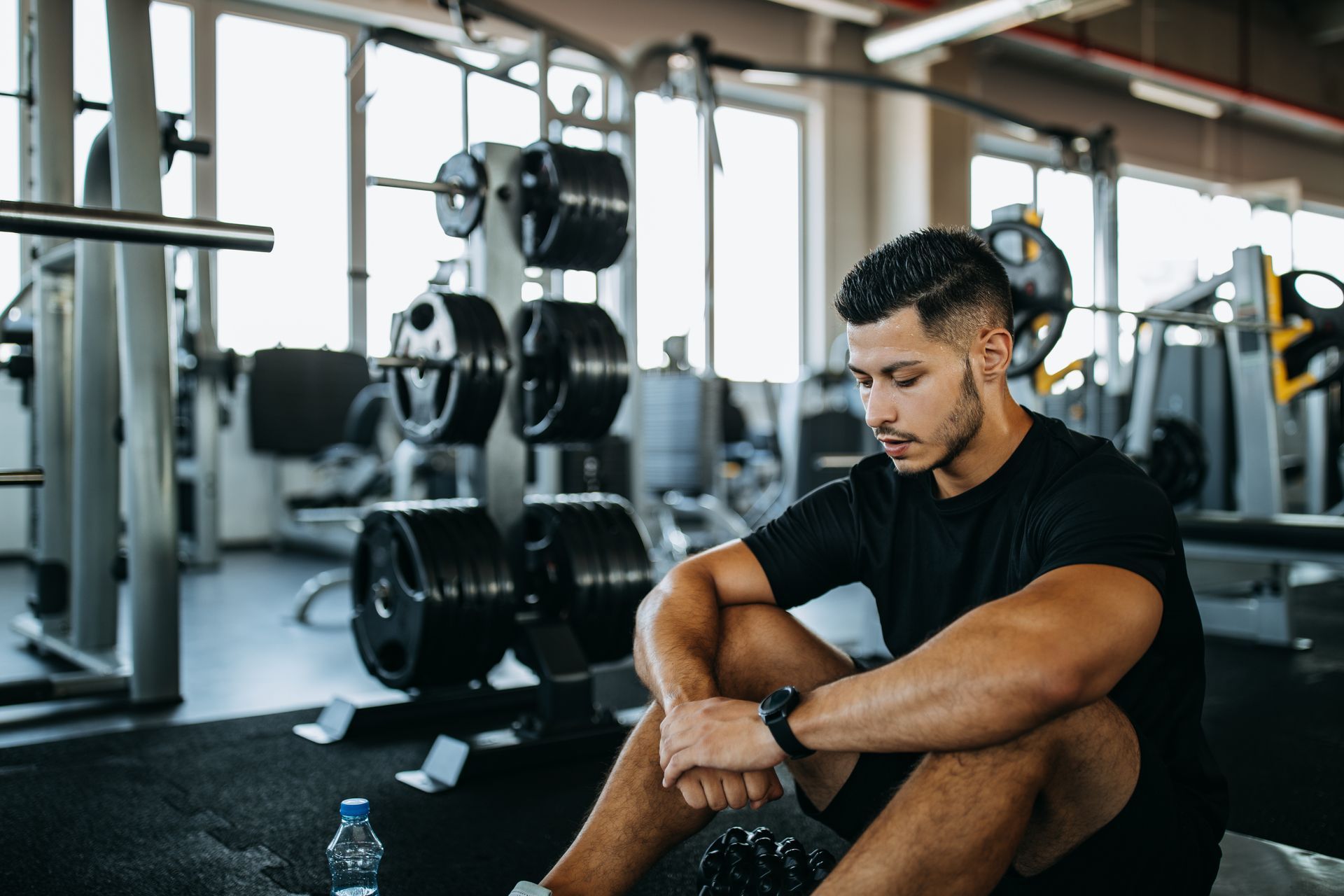
Why High Achievers Struggle to Rest: How Strength Training Helps Regulate Stress High achievers are often very good at pushing through. They meet deadlines, manage pressure, lead teams, make decisions, build businesses, support clients and keep going long after their body has started asking for a break. But people who are used to performing at a high level are not always good at rest. They may understand the importance of recovery in theory, but in practice, stopping can feel uncomfortable. A quiet evening becomes another chance to answer emails. A free morning becomes a guilt-inducing gap in the calendar. Even when they are physically still, their mind is still working. This is one reason stress can become so difficult to manage. For busy professionals, founders, executives, medical specialists, lawyers, consultants and business owners, stress is often treated as part of the job. But over time, a body that is constantly switched on can start to show the cost: poor sleep, muscle tension, low energy, brain fog, irritability, headaches, reduced motivation, recurring aches, and a feeling of being wired but tired. At CGPT in Hawthorn, we work with busy professionals who do not need another extreme challenge or all-or-nothing fitness plan. They need a sustainable way to build strength, regulate stress and feel more capable in their body. Done properly, strength training can become one of the most useful tools for people who struggle to switch off. Success Often Rewards Stress, Not Recovery Many ambitious professionals have spent years being rewarded for their ability to do more. More responsibility, more responsiveness, more pressure, more output. That mindset can be useful in a career, but it can become a problem when the body never gets a chance to come down. Stress itself is not always bad. Short-term stress can sharpen focus, increase alertness and help you respond to a challenge. The issue is when stress becomes constant and recovery is treated as optional. Safe Work Australia has identified psychosocial hazards as a major workplace health and safety issue, noting that exposure to these hazards can cause psychological and physical harm. Its 2024 psychological health and safety report notes that mental health conditions account for an increasing proportion of serious workers’ compensation claims in Australia (Safe Work Australia 2024). This is important because many driven professionals normalise the very things that place them under strain: high job demands, long hours, emotional load, responsibility for others, constant availability, and limited separation between work and home. Why Rest Can Feel So Difficult For people who are used to being productive, rest can feel like a threat rather than a reward. It may bring up guilt, restlessness or the sense that something is being neglected. Some people only feel calm when they are solving, planning or doing. Others have become so used to operating under pressure that stillness feels unfamiliar. This is where the nervous system is critical. Your body is not just a vehicle for your mind. It responds to your workday. Stress can affect heart rate, breathing, muscle tone, sleep, digestion, concentration and mood. If your body spends too much time in a heightened state, rest does not always happen automatically just because you sit down. This is also why scrolling, wine, late-night emails or collapsing on the couch may not be the same as recovery. They may provide distraction, but they do not necessarily help your body build resilience or regulate stress more effectively. Strength Training Is a Productive Stressor It is important to understand that exercise is a form of stress. A hard training session places demand on the body. Muscles work, heart rate rises, breathing changes and the nervous system responds. But unlike chronic work stress, well-designed strength training is controlled, structured and recoverable. This is what makes it so valuable. When strength training is properly programmed, it gives your body a clear challenge and then allows it to adapt. You lift, recover, get stronger and gradually build capacity. Over time, the same task that once felt difficult becomes more manageable. For people who are used to pushing through, this can be a powerful change. Training is not about punishing yourself for being stressed. It is about giving your body a structured way to practise effort, recovery and progression. You learn that not every session needs to be maximal. You learn that consistency beats intensity. You learn that rest is not laziness; it is part of adaptation. What the Research Says The link between exercise and mental wellbeing is well established. The Australian Government’s physical activity guidelines state that being active is essential for good mental and physical health and wellbeing, and recommend adults include muscle-strengthening activities at least two days per week (Australian Government Department of Health 2026). Research also supports the specific role of resistance training in mental health. A meta-analysis published in JAMA Psychiatry found that resistance exercise training was associated with a significant reduction in depressive symptoms among adults (Gordon et al. 2018). Another meta-analysis found that resistance exercise training significantly reduced anxiety symptoms (Gordon et al. 2017). More recent research has also explored exercise and stress physiology. A systematic review in the International Journal of Behavioral Medicine found that acute exercise was associated with reliable reductions in blood pressure and cortisol responses to stress, although effects varied depending on intensity and other factors (Mücke et al. 2024). This does not mean strength training is a cure for stress, anxiety, depression or burnout. It does mean that structured exercise can be one important part of a broader stress-management plan, particularly for people whose bodies are carrying the physical consequences of high-pressure work. Why Driven Professionals Need Structure, Not More Intensity A common mistake ambitious individuals make is turning training into another area where they have to perform. They go too hard, too soon. They chase exhaustion. They measure success by how sore they are. Then work gets busy, sleep drops, stress rises, and training becomes another demand instead of a support. That is not the goal. For a stressed professional, the right strength program should be challenging enough to create adaptation, but not so aggressive that it drains the system further. It should build strength without adding unnecessary pressure. It should improve energy, confidence and physical resilience, not become another source of guilt. This is where personal training comes in. A good trainer does more than count reps. They help you find the right level of challenge for your body, your schedule and your current stress load. They know when to progress, when to hold steady and when to adjust. That kind of guidance is especially useful for people who are used to pushing through regardless of how they feel. The Physical Signs of Chronic Stress Many professionals think of stress as mental, but it often shows up physically first. You may notice tight shoulders, jaw tension, shallow breathing, headaches, poor sleep, reduced recovery, lower back tightness, digestive changes or a general sense that your body is braced all the time. Strength training can help by building a stronger physical foundation. Stronger muscles support better posture. Stronger hips and legs reduce the sense that daily movement is effortful. Better trunk strength can improve confidence with lifting and carrying. A well-designed program can also create a clear separation between work mode and recovery mode. For many people, the benefit is not just physical. There is also a mental shift that comes from feeling capable in your body. When your body feels stronger, work stress does not necessarily disappear, but it may feel less like everything is being carried by a tired, tense system. Why CGPT Works for Busy Professionals Under Pressure CGPT is a private personal training studio in Hawthorn built around one-on-one, progressive strength training. It is not a loud commercial gym, a group class or a program designed to push everyone through the same session. For those under pressure, that is crucial. You may not have the time, energy or headspace to figure out what to do on your own. You may not want to train in a crowded environment. You may need someone to build a plan, manage the progression and help you stay consistent without making training feel like another high-pressure obligation. At CGPT, your program is built around your starting point, your goals, your work demands and your lifestyle. The focus is not on smashing you. It is on helping you build strength in a way that supports the rest of your life. That might mean training to reduce recurring tension, improve posture, support energy, rebuild confidence, or simply create a reliable routine that gives your body something consistent and positive to respond to. A Better Way to Manage Pressure People operating under constant pressure do not need to be told to work harder. Most already know how to do that. What many need is a better way to recover, regulate and build physical resilience so their body can keep up with the life they are asking it to live. Strength training will not remove every source of stress. It will not replace proper sleep, medical care, psychological support or workplace change where those things are needed. But it can give your body a structured, evidence-informed way to adapt to pressure rather than simply absorb it. If you recognise yourself in this, a complimentary intro session at CGPT is a good place to start. We can talk through your work routine, stress load, training history and what you want to feel more capable of, then help you understand what a sustainable strength plan could look like. To find out more or book an intro session, email Andrea at andrea@chrisgympt.com Disclaimer This article is for general informational purposes only and does not constitute medical or mental health advice, diagnosis or treatment. Stress, burnout, anxiety, depression, sleep disruption and physical symptoms can have many causes. If you are experiencing significant distress, persistent low mood, panic symptoms, thoughts of self-harm, severe fatigue, chest pain, unexplained symptoms or symptoms that are worsening or not improving, please consult your GP, psychologist or qualified healthcare provider. If you are in immediate danger or need urgent mental health support in Australia, call 000 or Lifeline on 13 11 14. References Australian Government Department of Health, Disability and Ageing 2026, Recommendations for adults (18 to 64 years): 24-hour movement guidelines for all Australians, Australian Government, Canberra. Gordon, B.R. et al. 2017, ‘The effects of resistance exercise training on anxiety: A meta-analysis and meta-regression analysis of randomized controlled trials’, Sports Medicine, vol. 47, pp. 2521–2532. Gordon, B.R. et al. 2018, ‘Association of efficacy of resistance exercise training with depressive symptoms: Meta-analysis and meta-regression analysis of randomized clinical trials’, JAMA Psychiatry, vol. 75, no. 6, pp. 566–576. Mücke, M. et al. 2024, ‘The effects of acute exercise on stress reactivity assessed via a systematic review and meta-analysis’, International Journal of Behavioral Medicine, vol. 31, pp. 780–792. Safe Work Australia 2024, Psychological health and safety in the workplace, Safe Work Australia, Canberra. World Health Organization 2020, WHO guidelines on physical activity and sedentary behaviour, World Health Organization, Geneva.

The Desk Worker’s Strength Audit: 7 Signs Your Body Isn’t Coping With Your Job If you work at a desk all day, your body is probably sending you signals long before anything becomes a “real” injury. A tight lower back at the end of the day. Shoulders that creep towards your ears. Hips that feel stiff when you stand up. Energy that disappears by 3pm. A vague sense that your body feels older, heavier or less capable than it should. These signs are common, but they are not random. For many desk-based professionals, they are the predictable result of long hours sitting, high mental load, limited movement and less-than-perfect work-from-home setups. A laptop on the dining table, calls from the couch, a chair that was never designed for a full workday, or hours of back-to-back meetings can gradually change how your body feels and functions. At CGPT in Hawthorn, we see this pattern all the time. Busy professionals do not usually need a punishing fitness overhaul. They need a clear, personalised strength plan that helps their body cope better with the demands of work, life and training. This desk worker’s strength audit is a simple way to notice whether your body is starting to struggle. 1. Your Lower Back Feels Tight After Sitting Lower back tightness is one of the most obvious signs that your body is not tolerating desk work well. It may feel fine in the morning, then gradually tighten through the day, especially after long periods of sitting, driving or working from home. Back problems are a major health issue in Australia. The Australian Institute of Health and Welfare reports that back problems were the third leading cause of disease burden in Australia in 2023, accounting for 4.3% of total disease burden, with $3.4 billion spent on treatment and management in 2020–21 (AIHW 2023). For desk workers, the issue is often not that the lower back is “weak” in isolation. It may be that the hips, glutes, core and upper back are not sharing load properly. Stretching might help temporarily, but if the same tightness keeps returning, your body may need more capacity, not just more flexibility. 2. Your Neck and Shoulders Always Feel Loaded Desk work often pulls the head and shoulders forward: laptop screens, phone use, long emails, spreadsheets and video calls all encourage the same rounded position. Over time, your neck and shoulders can start to feel constantly switched on. SafeWork NSW notes that office and administrative workers are at greater risk of excessive sedentary behaviour, which is linked with musculoskeletal disorders, tiredness, reduced productivity and poorer overall health (SafeWork NSW 2024). Research in office workers also supports the role of strengthening exercise for neck and shoulder symptoms. A systematic review in Physical Therapy found workplace-based strengthening exercises were effective in reducing neck pain in symptomatic office workers (Chen et al. 2018). This is why “fixing posture” is not just about sitting up straighter. Your upper back, shoulders and trunk need enough strength and endurance to support you through the day. 3. You Feel Stiff Every Time You Stand Up If you feel like you need a few steps to “unfold” after sitting, your hips and spine may be telling you they have spent too long in one position. Sitting keeps the hips flexed and the body relatively still. If you rarely move through full ranges of motion, standing up can feel stiff, awkward or uncomfortable. Safe Work Australia says workers should not stay in seated, standing or other static postures for long periods (Safe Work Australia 2024). Movement breaks are helpful, but they are only one part of the solution. Your body also needs strength through the positions you want to access easily: hinging, squatting, rotating, stepping, reaching and carrying. At CGPT, this is where personalised training comes in. Rather than throwing you into random exercises, a trainer can identify where you are stiff, where you are under-supported and what needs to be progressed gradually. 4. Your Energy Crashes Even Though You “Haven’t Done Anything” One of the frustrating things about desk work is that it can leave you exhausted without making you physically fitter. You can finish the day mentally drained, physically stiff and too tired to train, even though you have barely moved. This is an important point because physical inactivity and sedentary behaviour are not the same problem. You can do a workout and still spend most of your day sitting. Australia’s adult movement guidelines recommend being active most days, including muscle-strengthening activities on at least two days per week, and reducing and breaking up sedentary time (Australian Government Department of Health 2026). Strength training helps because it gives your body a stronger physical base. You are not just burning calories or “doing exercise.” You are building the muscles, joints and movement confidence that help you feel more capable across the whole week. 5. Your Posture Collapses When You Get Tired Most people can sit tall for a few minutes when they think about it. The real test is what happens when you are tired, busy, stressed or deep in work. If your posture collapses the moment you stop concentrating, it may not be a discipline issue. It may be an endurance issue. Posture is not a fixed position. It is the ability to move, support yourself and change positions without feeling strained. That requires strength through the upper back, trunk, hips and legs. It also requires a program that builds gradually so your body can tolerate more work over time. This is one reason generic workouts often fall short. A class or app may make you sweat, but it may not address the specific weaknesses that show up in your workday. A well-designed strength program should make real life feel easier, not just make the session feel hard. 6. You Avoid Lifting, Carrying or Training Because You Don’t Trust Your Body Another sign your body is not coping is when you start negotiating with it. You avoid carrying heavy bags. You hesitate before lifting something from the floor. You skip training because your back feels “a bit funny.” You feel unsure which exercises are safe, so you do less and less. That loss of confidence really matters. The Royal Australian College of General Practitioners notes that exercise is one of the best treatments for ongoing low back pain and that strengthening exercises, including resistance training, can help reduce pain and improve everyday function (RACGP 2024). For many people, the right answer is not avoiding movement altogether, it’s learning how to move well and progress safely. At CGPT, the one-on-one model is designed for exactly this. You are not left guessing on a busy gym floor. Your trainer can adapt exercises to your starting point, build confidence with technique and progress your program in a way that feels achievable. 7. You Keep Promising Yourself You’ll “Get Back Into It” If you keep telling yourself you will start training when work calms down, after the next deadline, after school holidays, after travel, or once your back feels better, your routine may not be realistic enough for your actual life. Busy professionals need structure. Not an extreme challenge. Not a random collection of workouts. A plan. Strength training works best when it is consistent, progressive and tailored to the person doing it. That is why personal training can be so valuable for desk workers. It removes the guesswork and helps you build momentum even when life is busy. At CGPT, we understand that most professionals are not training for a bodybuilding competition or trying to become a different person overnight. They want to feel stronger, move better, have more energy, reduce recurring niggles and know they are doing the right things for their body. What Your Audit Results Mean If you recognised yourself in one or two of these signs, it may be time to pay closer attention to how your workday is affecting your body. If you recognised yourself in most of them, your body is probably asking for more support. The good news is that you do not need to wait until something becomes a serious problem. A well-coached strength program can help you build the capacity your desk-based life demands: stronger hips, better trunk control, more resilient shoulders, improved posture, more confidence and a clearer sense of what your body needs. CGPT is a private personal training gym in Hawthorn built around structured, progressive strength training. It is calm, personalised and one-on-one, which makes it a great fit for professionals who want expert guidance without the overwhelm of a commercial gym or the guesswork of training alone. If this audit felt uncomfortably familiar, a complimentary intro session is a good place to start. We can talk through your work routine, what your body is telling you, what you have tried before and what you want to feel capable of again. No pressure, no judgement, just a clear first step. To find out more or book an intro session, email Andrea at andrea@chrisgympt.com . Disclaimer This article is for general informational purposes only and does not constitute medical advice, diagnosis or treatment. Pain, stiffness, fatigue and changes in function can have many causes. If you have severe pain, pain following trauma, unexplained symptoms, numbness, weakness, changes to bladder or bowel control, or symptoms that are worsening or not improving, please consult your GP, physiotherapist or qualified healthcare provider before beginning an exercise program. References Australian Government Department of Health, Disability and Ageing 2026, Recommendations for adults (18 to 64 years): 24-hour movement guidelines for all Australians, Australian Government, Canberra. Australian Institute of Health and Welfare 2023, Back problems, AIHW, Canberra. Chen, X. et al. 2018, ‘Workplace-based interventions for neck pain in office workers: Systematic review and meta-analysis’, Physical Therapy, vol. 98, no. 1, pp. 40–62. Royal Australian College of General Practitioners 2024, Exercise for ongoing low back pain, RACGP, Melbourne. Safe Work Australia 2024, Sitting and standing, Safe Work Australia, Canberra. SafeWork NSW 2024, Sedentary work, SafeWork NSW, Sydney. World Health Organization 2020, WHO guidelines on physical activity and sedentary behaviour, WHO, Geneva.

Lower Back Tightness From Sitting? Why Stretching Isn’t Enough for Desk Workers If your lower back feels tight after a long day at your desk, stretching might help for a few minutes. But if the tightness keeps coming back, the issue is probably not just flexibility. For many desk-based professionals, lower back tightness comes from hours in static positions, often in less-than-ideal work-from-home setups: laptops on kitchen tables, dining chairs used as office chairs, couches doubling as desks. Add meetings, commuting, stress and limited training time, and your body starts to feel the load. This is where personalised strength training becomes essential. At CGPT in Hawthorn, we work with professionals who spend much of their week sitting, emailing, driving or working from home. They need a personalised plan that builds strength through the hips, glutes, core and upper back so the lower back no longer has to compensate for everything. Lower Back Tightness Is Common, But It Shouldn’t Be Ignored Back problems are a major issue in Australia. The Australian Institute of Health and Welfare reports that back problems were the third leading cause of disease burden in Australia in 2023, accounting for 4.3% of total disease burden. In 2020–21, an estimated $3.4 billion was spent on treatment and management (AIHW 2023). For desk workers, lower back tightness often develops gradually. It might start as mild stiffness at the end of the day, then become something you feel when you stand up after sitting. Over time, it can affect training, sleep, driving or confidence with lifting. Why Desk Work Creates the Perfect Conditions for Back Tightness Professional work is mentally demanding but physically repetitive. You may be making decisions, managing clients, writing proposals or sitting through long meetings, but physically your body is doing very little. You are often in the same position for hours, with your hips flexed, spine relatively still, shoulders rounded and glutes underused. Safe Work Australia notes that sitting for long periods is common in Australian workplaces and that workers should not remain in seated, standing or other static postures for extended periods (Safe Work Australia 2024). Working from home can make this worse. In an office, you may naturally walk to meetings or move between spaces. At home, it is easy to sit in the same chair for hours, take calls from the couch, or work from a laptop without proper screen height, foot position or back support. This does not mean you need a perfect home office before you can feel better. It means your body needs to be strong and adaptable enough to cope with real life, not just ideal conditions. Why Stretching Feels Good But Doesn’t Solve the Problem Stretching can provide short-term relief because it changes sensation. But if the same tightness returns every day, the stretch has not solved the underlying issue. Tightness is not always a flexibility problem. Sometimes it is a strength problem. Sometimes it is a load-tolerance problem. If your hips lack strength, your core lacks endurance, your glutes are not contributing effectively, or your upper back cannot support posture under fatigue, your lower back may keep taking over. Research supports this broader view. A systematic review and meta-analysis led by Australian researchers Searle, Spink, Ho and Chuter found that exercise programs have beneficial effects for chronic low back pain, with strength/resistance and coordination/stabilisation programs showing significant effects (Searle et al. 2015). In other words, the evidence points toward structured exercise that builds strength, control and capacity. The Real Goal: Build Capacity, Not Just Flexibility If you are a desk worker with recurring lower back tightness, the goal should not simply be to “loosen up.” The goal should be to increase your body’s capacity so your back is not constantly operating near its limit. Capacity means your muscles, joints and nervous system can tolerate the demands of your day without tipping into stiffness, pain or fatigue. For a corporate professional, that might mean sitting through a long meeting without feeling locked up afterwards, managing heavy desk hours without the familiar lower back ache, or having enough physical resilience to handle work and training. A well-designed strength program teaches your body how to share load properly. Your glutes support your hips. Your core stabilises your spine. Your upper back supports posture. Your legs generate force so your lower back does not have to do everything. Why “Just Move More” Is Helpful But Not Enough Taking breaks from sitting is important. But movement breaks alone may not be enough if your body lacks strength. Walking around the office is useful, but it does not progressively load your glutes, build trunk endurance or strengthen the posterior chain in a measurable way. This is why the solution needs to be layered. Yes, move more during the day. Yes, change positions regularly. Yes, stretch if it helps. But if you want long-term change, you also need structured strength training that progresses over time. A good lower-back-supportive strength program should be gradual, personalised and specific to your starting point. For many desk workers, this might include a movement assessment, hip-hinge patterns, glute strengthening, controlled squatting, upper-back strengthening, carries, core stability and mobility work. The Royal Australian College of General Practitioners notes that strengthening exercises, including resistance training, can help reduce pain and improve everyday function (RACGP 2024). Why Desk Workers Need Personalised Training Lower back tightness is not the same for everyone. One person may need more hip mobility. Another may need glute strength. Another may need better trunk control or lifting technique. This is why generic programs often fall short. Desk workers and professionals also have specific lifestyle constraints. You may be time-poor, mentally fatigued, travelling for work, sitting in long meetings or trying to fit training around family commitments. Your program has to work with that reality, not ignore it. At CGPT, this is where the one-on-one model works so well. Your training is not random and you are not left guessing on a busy gym floor. Your trainer can look at how you move, understand your work routine, consider your history, and build a program that suits your body, your schedule and your starting point. CGPT is not a loud commercial gym or a one-size-fits-all group class. It is a private gym in Hawthorn built around structured, progressive strength training. That makes it well suited to professionals who want expert guidance, a calm environment and a clear plan. If you are dealing with recurring lower back tightness, a supportive environment is important. You do not want to guess which exercise is safe, wait for equipment or copy someone else’s workout. You do not want intensity for the sake of it when your body needs controlled progression, smart loading and consistent technique. The Intro Session: The Best Place to Start You do not need to wait until your back becomes a serious problem to ask for help. If your lower back keeps tightening up and you are not sure what to do next, the best first step is not another random stretch routine. It is getting clarity. A complimentary intro session at CGPT gives you the chance to talk through what you are experiencing, how your workday looks, what you have tried before and what you want your body to feel capable of again. The session is relaxed and no-pressure. At CGPT, we help clients move beyond short-term fixes and build the strength, capacity and confidence they need for the long term. If you are ready to stop guessing and start understanding what your body actually needs, we would love to invite you in for a complimentary intro session. Want to find out more? Email Andrea today at andrea@chrisgympt.com . Disclaimer This article is for general informational purposes only and does not constitute medical advice, diagnosis or treatment. Lower back pain can have many causes. If you have severe pain, pain following trauma, pain that travels down the leg with numbness or weakness, unexplained weight loss, fever, changes to bladder or bowel control, or symptoms that are worsening or not improving, please consult your GP, physiotherapist or qualified healthcare provider before beginning an exercise program. References Alaca, N. et al. 2025, ‘Low back pain and sitting time, posture and behavior in office workers: A scoping review’, Human Factors, DOI: 10.1177/10538127251320320. Australian Commission on Safety and Quality in Health Care 2022, Low Back Pain Clinical Care Standard, ACSQHC, Sydney. Australian Institute of Health and Welfare 2023, Back problems, AIHW, Canberra. Hayden, J.A. et al. 2021, ‘Exercise therapy for chronic low back pain’, Cochrane Database of Systematic Reviews, Issue 9. Royal Australian College of General Practitioners 2024, Exercise for ongoing low back pain, RACGP, Melbourne. Safe Work Australia 2024, Sitting and standing, Safe Work Australia, Canberra. SafeWork NSW 2024, Sedentary work, SafeWork NSW, Sydney. Searle, A., Spink, M., Ho, A. & Chuter, V. 2015, ‘Exercise interventions for the treatment of chronic low back pain: A systematic review and meta-analysis of randomised controlled trials’, Clinical Rehabilitation, vol. 29, no. 12, pp. 1155–1167. World Health Organization 2023, WHO guideline for non-surgical management of chronic primary low back pain in adults in primary and community care settings, WHO, Geneva.
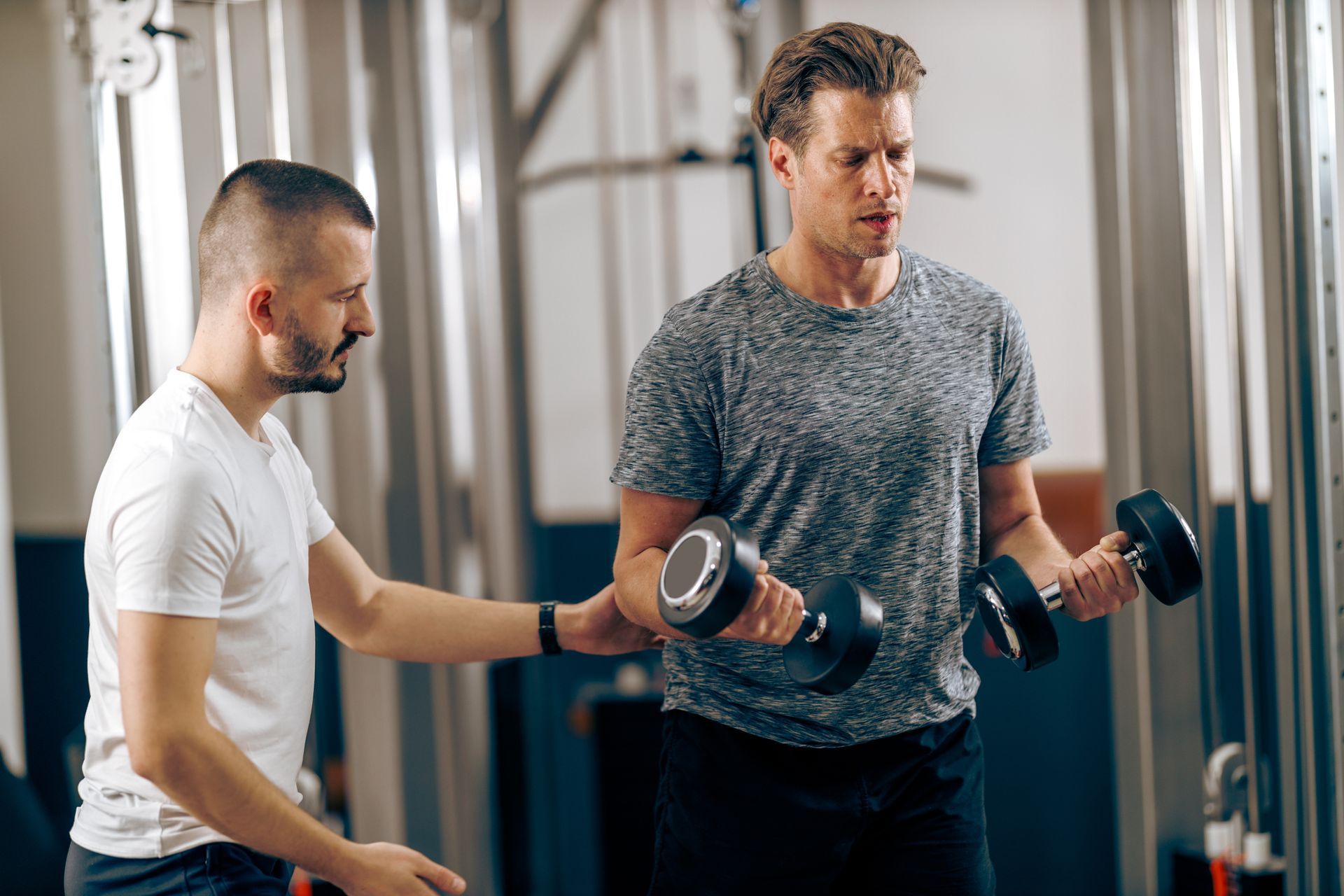
The Overlooked Link Between Strength Training and Brain Performance If you’re someone who pays attention to how you think, not just how you look, you’ve probably already come across the usual advice. Sleep matters. Nutrition matters. Stress management matters. All true. But there’s one variable that is consistently underestimated, even among people who are otherwise highly informed: Strength training. Not as a general health tool. Not as something you “should probably do.” But as a direct contributor to how your brain performs, both now and over time. The Brain Is Not Separate From the Body It’s easy to think of cognitive performance as something that exists independently of physical health. Focus, memory, decision-making, processing speed. These feel like mental domains. But physiologically, they’re deeply connected. The brain relies on: · Blood flow · Oxygen delivery · Glucose regulation · Neurochemical signalling All of which are influenced by physical activity. A large meta-analysis published in Neuroscience & Biobehavioral Reviews found that regular exercise significantly improves executive function, attention, and processing speed across a wide range of populations (Mandolesi et al. 2018). This isn’t a marginal effect. It’s measurable, repeatable, and increasingly well understood. Strength Training vs “General Exercise” When people think about exercise and brain health, they often default to cardio. Running. Walking. Cycling. And while aerobic exercise does play a role, strength training appears to offer distinct and, in some cases, additional benefits. A systematic review published in the British Journal of Sports Medicine found that resistance training is associated with improvements in cognitive function, particularly in areas related to executive control and working memory (Liu-Ambrose et al. 2010). More recent research has reinforced this, showing that strength training can improve both cognitive performance and functional brain plasticity in adults across different age groups (Northey et al. 2018). This is where the conversation around exercise for cognitive function becomes more specific. Not all exercise produces the same neurological response. What’s Actually Happening in the Brain This is where things become more interesting. Strength training doesn’t just “improve health.” It changes the brain at a biological level. One of the key mechanisms involved is Brain-Derived Neurotrophic Factor (BDNF). BDNF is a protein that supports: · Neuroplasticity (the brain’s ability to adapt and reorganise) · Learning and memory · The survival of existing neurons Exercise, including resistance training, has been shown to increase BDNF levels, creating an environment that supports cognitive function and long-term brain health (Phillips 2017). There are also effects on: · Insulin sensitivity (which impacts brain energy metabolism) · Inflammation (linked to cognitive decline) · Vascular health (affecting blood flow to the brain) Taken together, these changes create a more resilient and efficient system. Cognitive Performance in the Short Term The long-term benefits are compelling, but the short-term effects are just as relevant. Even a single session of resistance training has been shown to improve attention and executive function immediately afterwards (Chang et al. 2012). This is something many people notice intuitively. After training, thinking feels clearer. Decisions feel easier. There’s a sense of mental sharpness that wasn’t there before. It’s not just psychological. It’s physiological. The Ageing Brain and Long-Term Protection Beyond day-to-day performance, strength training plays a role in protecting the brain over time. Cognitive decline is not inevitable, but risk increases with age. Research published in The Lancet highlights that lifestyle factors, including physical activity, are among the most significant modifiable contributors to dementia risk (Livingston et al. 2020). Resistance training, in particular, has been shown to: · Slow cognitive decline · Improve memory in older adults · Support brain structure and function A randomised controlled trial by Liu-Ambrose et al. (2010) found that strength training performed twice per week significantly improved executive function in older women over a 12-month period. This is where strength training for brain health becomes less of a theory and more of a practical intervention. Why This Is Critical for High-Performing Individuals If your work relies on thinking clearly, processing information quickly, and maintaining focus across long periods, these effects are not abstract. They are directly relevant. The question is not whether exercise is beneficial. It’s whether your current approach is sufficient to support how you want to perform. For many people, especially those in cognitively demanding roles, there is a mismatch. High mental output. Low physical input. And over time, that imbalance becomes limiting. The Problem With “Doing Nothing” (Even If Everything Else Is Dialled In) It’s possible to optimise: · Sleep · Nutrition · Supplements And still overlook training. But without a physical stimulus, the underlying systems that support cognitive performance are underdeveloped. This is particularly relevant in environments like Hawthorn, where there is a strong focus on education, professional performance, and long-term health. People are informed. They’re engaged. They’re often already investing in various aspects of wellbeing. But strength training is still frequently treated as optional. The evidence suggests otherwise. What Strength Training Actually Needs to Look Like This is where things often become unnecessarily complicated. You don’t need extreme protocols. You don’t need to train every day. What matters is: · Consistency · Progressive overload · Appropriate intensity Research indicates that as little as two to three sessions per week of structured resistance training is sufficient to produce meaningful improvements in both physical and cognitive outcomes (ACSM 2009; Grgic et al. 2018). The key word there is structured. Not random workouts. Not occasional sessions. A plan. Where CGPT Fits In For people who are already thinking about optimisation, performance, and long-term health, the challenge is rarely awareness. It’s implementation. How do you actually integrate strength training into your week in a way that is: · Efficient · Progressive · Sustainable That’s where CGPT comes in. The focus is on: · Structured strength training · Clear progression · Making training fit into a busy, cognitively demanding lifestyle It’s not about extremes. It’s about consistency and direction. A Smarter Way to Approach It If you’re already paying attention to how you think, how you perform, and how you age, this is one of the more important variables to consider. Not as an afterthought. As a foundation. We offer a free intro session at CGPT if you want to understand how this could look in practice. It’s a chance to: · Talk through your current routine · Understand where training fits in · See how a structured approach works You can read more about what to expect here: https://www.chrisgympt.com/what-to-expect-at-your-first-personal-training-session-at-cgpt-and-why-its-different-to-every-other-gym From there, you can decide what makes sense. If you’ve been exploring longevity training in Melbourne, looking into strength training benefits for mental performance, or simply trying to think more clearly and perform better over time, this is a logical next step. Ready to find out more? Email Andrea. REFERENCES American College of Sports Medicine (ACSM) 2009, Progression Models in Resistance Training for Healthy Adults, Medicine & Science in Sports & Exercise. Chang, YK et al. 2012, Effects of acute exercise on executive function: a study with a Tower of London Task, Journal of Sport and Exercise Psychology. Grgic, J et al. 2018, Effects of resistance training frequency on gains in muscular strength, Sports Medicine, vol. 48. Liu-Ambrose, T et al. 2010, Resistance training and executive functions, British Journal of Sports Medicine. Livingston, G et al. 2020, Dementia prevention, intervention, and care, The Lancet. Mandolesi, L et al. 2018, Effects of physical exercise on cognitive functioning and wellbeing, Neuroscience & Biobehavioral Reviews. Phillips, C 2017, Brain-derived neurotrophic factor, depression, and physical activity, Neurobiology of Disease.

Sitting All Day Is Ruining Your Body. Here’s How to Fix It in 3 Sessions a Week. If you work in design, marketing, content, or any kind of creative role, your day probably doesn’t look physically demanding. But it is demanding. Just not in a way most people think about. You’re making decisions constantly. Solving problems. Switching between tasks. Managing deadlines. Sitting in front of a screen for hours, often without real breaks, while your brain runs at full capacity. From the outside, it looks calm. From the inside, it’s a different story. And over time, that imbalance starts to show up - not just mentally, but physically. The Hidden Cost of Creative Work Most creative professionals don’t notice the shift straight away. It builds gradually. A bit more tightness through your back. Shoulders that sit slightly forward. Hips that feel stiff when you stand up. Energy that dips earlier in the day than it used to. Nothing dramatic. Just a slow, consistent decline in how your body feels and performs. The problem is, this isn’t just about posture. It’s about capacity. Research from the Australian Institute of Health and Welfare shows that adults who spend prolonged periods sitting are at increased risk of musculoskeletal issues, reduced metabolic health, and lower overall physical function (AIHW 2020). And for people working in predominantly sedentary roles, that risk compounds over time. Your Brain Is Doing the Work But Your Body Isn’t Supporting It Creative work is cognitively demanding. You’re expected to think clearly, respond quickly, and stay mentally sharp across long stretches of the day. But the physical side of that equation is often ignored. There’s a growing body of research linking physical activity to cognitive performance. A review published in Neuroscience & Biobehavioral Reviews found that regular exercise improves executive function, attention, and processing speed - all critical for high-level cognitive work (Mandolesi et al. 2018). In simple terms, your brain works better when your body is trained. But if your day is spent sitting, and your training is inconsistent or non-existent, that support system isn’t there. The Posture Problem Isn’t Just About How You Sit Most people assume the issue is posture. So they try to “sit up straighter,” adjust their desk, or stretch more. Those things can help. But they don’t solve the underlying problem. Because posture is not just about positioning. It’s about strength. If your body doesn’t have the strength to hold you in a better position, no amount of awareness will fix it long term. This is why back pain from sitting is so common. Studies have shown that prolonged sitting is associated with increased lower back pain and reduced spinal stability, particularly when not offset by strength training (Hartvigsen et al. 2018). The body simply isn’t being challenged enough to maintain itself. Why Most “Fixes” Don’t Work At some point, most people try to address it. They might: · Do the occasional yoga class · Stretch between meetings · Go for a walk when they can All of which are useful. But they don’t create lasting change because they don’t address the core issue - which is that your body is underloaded. It’s not being asked to produce force. It’s not being challenged through full ranges of motion. It’s not adapting. And without adaptation, nothing improves. What Actually Changes Your Body If your work demands a high level of mental output, your training needs to support that. Not drain you further. Not add more chaos. Support it. This is where strength training becomes essential. Not as an extreme or overwhelming commitment, but as a consistent, structured input that: · Builds resilience · Improves posture through strength · Supports energy levels · Enhances cognitive performance Research published in the Journal of Sports Science & Medicine shows that resistance training can improve both physical function and mental wellbeing, particularly in individuals with sedentary occupations (O’Connor et al. 2010). This is not about aesthetics, it’s about capability. Why 3 Sessions a Week Is Enough One of the biggest barriers for this group is time, or more accurately, the perception of time. Creative work doesn’t follow a clean schedule. Some days are flexible, others are completely consumed. That’s why the solution needs to be simple. Three structured sessions per week is enough to: · Build strength · Improve posture · Increase energy · Support long-term health As long as those sessions are progressive and well-designed. Research consistently shows that even low-frequency resistance training can produce significant improvements in strength and muscle mass when performed consistently (Grgic et al. 2018). It’s not about doing more. It’s about doing the right things. The Hawthorn / Richmond Reality If you’re working around Hawthorn or Richmond, this probably feels familiar. Working from home some days. Cafes on others. Studio time. Agency time. Long hours at a laptop, often in the same position for most of the day. There’s a lot of flexibility in how you work. But very little structure in how you move. And over time, that lack of structure shows up physically. Not dramatically. Just consistently. Where CGPT Fits In This is exactly the kind of environment CGPT is built for. Not high-intensity chaos. Not random workouts. Just structured, progressive strength training that fits around how you actually work. The focus is on: · Building strength that supports your body · Improving posture through capacity, not awareness · Creating a routine that is realistic and repeatable It’s not about turning your life upside down, it’s about adding something that makes everything else feel easier. For a lot of clients, the biggest shift isn’t just physical, it’s how they feel across the day: Clearer. More energised. Less fatigued. A Smarter Way to Start If you’ve been feeling the effects of sitting all day - whether that’s tightness, fatigue, or just a sense that your body isn’t keeping up with your work - you don’t need a complete overhaul. You just need to introduce the right stimulus. We offer a free intro session at CGPT , where we: Look at how you’re currently moving Understand your work setup and routine Show you how to structure training in a way that actually works It’s simple, low-pressure, and designed to give you clarity. You can read more about what to expect here: https://www.chrisgympt.com/what-to-expect-at-your-first-personal-training-session-at-cgpt-and-why-its-different-to-every-other-gym From there, you can decide what makes sense. If you’ve been searching for strength training for desk workers, a gym for office workers in Melbourne, or trying to figure out how to fix back pain from sitting, this is where the solution becomes much clearer. Not more movement. Better training. Ready to find out more? Email Andrea. REFERENCES: Australian Institute of Health and Welfare (AIHW) 2020, Physical activity and sedentary behaviour, AIHW, Canberra. Grgic, J, Schoenfeld, BJ, Orazem, J & Sabol, F 2018, Effects of resistance training frequency on gains in muscular strength, Sports Medicine, vol. 48. Hartvigsen, J et al. 2018, What low back pain is and why we need to pay attention, The Lancet. Mandolesi, L et al. 2018, Effects of physical exercise on cognitive functioning and wellbeing, Neuroscience & Biobehavioral Reviews. O’Connor, PJ et al. 2010, Resistance training and mental health, Journal of Sports Science & Medicine.

Why Real Estate Agents Struggle to Stay Fit If you work in real estate, your schedule doesn’t look like anyone else’s. Early starts. Late finishes. Weekends that aren’t really weekends. Constant movement between listings, appraisals, client meetings, and auctions. You’re on your feet, in front of people, managing pressure, managing perception, and expected to be “on” all the time. From the outside, it looks active. But from a training perspective, it’s anything but structured. And that’s where things start to break down. Because staying fit in real estate isn’t about motivation. It’s about managing a lifestyle that doesn’t easily accommodate consistency. The Reality of the Hawthorn Real Estate Lifestyle If you’re working across Hawthorn, Camberwell or Kew, you’re operating in one of the most competitive real estate corridors in Australia. Saturday auctions. Mid-week inspections. High-value clients. Constant visibility. There’s a certain standard that comes with that environment. You’re not just selling property. You’re representing a level of professionalism, energy and presence that people notice. And whether it’s spoken or not, how you present physically plays a role in that. Not in a superficial way. In a confidence-driven way. Posture. Energy. Sharpness. The way you carry yourself across a long day. Why Staying Fit Becomes So Difficult On paper, real estate professionals should have no problem staying fit. You’re active. You’re moving. You’re not sitting at a desk all day. But activity is not the same as training. And this is where the gap sits. The biggest challenges tend to be: · Inconsistent schedules that change week to week · Long days that leave little room for structured sessions · Mental fatigue from constant client interaction · Weekends that remove the traditional “free time” most people rely on Over time, this creates a pattern. You train when you can. You stop when things get busy. You start again when things settle down. And the cycle repeats. The Pressure to “Look the Part” This is the part most people won’t say out loud, but it’s always there. Real estate is an image-driven industry. Clients are making high-value decisions. They’re paying attention to detail. They’re assessing trust, credibility and professionalism constantly. And rightly or wrongly, physical presence plays into that. Looking fit isn’t about aesthetics for the sake of it. It’s about: · Confidence · Energy · Authority · Consistency It’s about showing up in a way that reflects the level you operate at. But maintaining that without a system is where most people struggle. Why Most Fitness Approaches Don’t Work When time is limited, people default to what feels efficient. Quick classes. High-intensity sessions. Something they can squeeze in between appointments. And while that can feel productive, it rarely holds up long term. The issue isn’t effort. It’s structure. Without a clear progression model: · Strength doesn’t build · Body composition doesn’t change · Results don’t compound Research consistently shows that structured resistance training leads to significantly greater improvements in strength, lean muscle mass, and long-term metabolic health compared to unstructured or inconsistent training (Kraemer & Ratamess 2004). In other words, it’s not about how often you train. It’s about how your training is designed. Time Isn’t the Problem, Structure Is One of the biggest misconceptions in this space is that you need more time. You don’t. You need a system that works within the time you already have. Studies on time-efficient training show that even 2–3 structured resistance sessions per week can produce significant improvements in strength and body composition, provided the program is progressive and consistent (Grgic et al. 2018). That’s where most people go wrong. They try to fit training around their schedule, instead of building a structure that works with it. What Actually Works for Real Estate Professionals The approach that works isn’t complicated. But it is specific. It needs to be: · Structured · Efficient · Progressive · Repeatable That usually looks like: A consistent weekly framework Not something that changes every week, but a plan that fits around your known commitments. Strength-focused sessions Prioritising resistance training over random high-intensity workouts. Measurable progression Tracking strength, improving over time, building something tangible. Realistic expectations Understanding that consistency beats intensity, especially in a demanding schedule. This is what allows results to build, rather than reset every few weeks. How High-Performing Professionals Approach Training There’s a noticeable shift when you look at people who train consistently at a high level, regardless of how busy they are. They don’t rely on motivation. They rely on systems. Training becomes: · Scheduled, not optional · Structured, not random · Progressive, not repetitive It fits into their week the same way meetings and appointments do. And over time, that consistency compounds. Where CGPT Fits In This is exactly where CGPT works best. We work with a lot of professionals who don’t have time to waste on guesswork, inconsistency or ineffective training. The focus is simple: · Build strength · Create structure · Make training fit your schedule Sessions are efficient, targeted, and designed to move you forward. There’s no need to spend hours in the gym. No need to rely on constantly changing workouts. Just a clear plan, executed consistently. For many clients, that’s the difference between constantly starting over and finally seeing results. A Smarter Next Step If you’re working in real estate and struggling to stay consistent with training, it’s not a reflection of your discipline. It’s a reflection of your environment. And once you understand that, the solution becomes much clearer. You don’t need more time. You need a better system. We offer a free intro session at CGPT , where we: Talk through your schedule Understand what’s been working and what hasn’t Show you how to structure your training properly It’s straightforward, low-pressure, and designed to give you clarity. You can read more about what to expect here: https://www.chrisgympt.com/what-to-expect-at-your-first-personal-training-session-at-cgpt-and-why-its-different-to-every-other-gym From there, you can decide what makes sense. If you’ve been searching for personal training for busy professionals in Melbourne, or looking for a gym for real estate agents that actually works with your schedule, this is usually the point where things start to shift. And once the structure is in place, the results tend to follow. Ready to find out more? Email Andrea REFERENCES Grgic, J, Schoenfeld, BJ, Orazem, J & Sabol, F 2018, Effects of resistance training frequency on gains in muscular strength: a systematic review and meta-analysis, Sports Medicine, vol. 48. Kraemer, WJ & Ratamess, NA 2004, Fundamentals of Resistance Training: Progression and Exercise Prescription, Journal of Strength and Conditioning Research, vol. 16, no. 4.

Why You’re Not Getting Results From F45 Even If You Go Every Day There’s a certain type of person who ends up at F45, Barry’s Bootcamp or Orangetheory. They’re consistent. Disciplined. Willing to work hard. They don’t need motivation. They already have it. They like structure, they like intensity, and they like walking out of a session feeling like they’ve done something worthwhile. And for a while, that approach works. Fitness improves, energy lifts, and there’s a sense of momentum that feels encouraging. But over time, something changes. You’re still going regularly. Still pushing yourself. Still sweating through every session. But your body isn’t changing in the way you expected. Strength plateaus. Body composition stalls. The results that once felt inevitable start to feel just out of reach. If you’ve found yourself questioning why, you’re not alone. And more importantly, you’re not doing anything wrong. The Problem Isn’t Effort, It’s Direction Most people assume they need to do more. More sessions. More intensity. More effort. But research consistently shows that effort alone is not what drives physical change. Adaptation - the body’s ability to respond to training - depends on how that effort is structured over time, not just how hard each session feels. There’s a clear distinction between: · Exercising frequently · Training progressively Group training environments are very effective at the first. They are far less reliable at delivering the second. Why HIIT Stops Working for Fat Loss and Strength High-intensity interval training (HIIT) has become one of the most popular training methods globally, largely because it is time-efficient and engaging. It does improve cardiovascular fitness, and studies have shown it can be effective for general health (Weston, Wisløff & Coombes 2014). However, when HIIT becomes the primary or only form of training, its limitations become more apparent. Most sessions are built around: · Elevated heart rate · Repeated short bursts of effort · Constant movement with minimal rest What’s often missing is structured progression. A systematic review published in the British Journal of Sports Medicine found that while HIIT can improve aerobic capacity, it is significantly less effective than resistance training for increasing lean muscle mass and strength (Grgic et al. 2019). This is important because muscle mass plays a critical role in metabolism, body composition, and long-term weight management. In other words, you can be working extremely hard, but without the right stimulus, your body has no reason to change. Sweat Feels Like Progress, But It Isn’t One of the most persistent misconceptions in fitness is that intensity equals results. You can leave a session exhausted, drenched in sweat, completely spent - and still not be progressing. Because sweat is a response. Progress is an adaptation. And adaptation requires progressive overload - the gradual increase of stress placed on the body during training. The American College of Sports Medicine (ACSM) identifies progressive overload as a fundamental principle for improving strength and body composition (ACSM 2009). Without it, the body simply maintains its current state. This is where many group-based programs fall short. The intensity is there, but the progression is not. Why Group Training Hits a Plateau At the beginning, almost any form of training works. Your body is exposed to something new, and it responds quickly. But over time, that response slows. In a group training model: · Workouts vary daily · Exercises change frequently · Load is rarely tracked or progressed systematically This lack of consistency makes it difficult to build strength in a meaningful way. Research published in the Journal of Strength and Conditioning Research highlights that structured resistance training programs with consistent progression lead to significantly greater improvements in strength and muscle mass compared to non-periodised or randomised training approaches (Kraemer & Ratamess 2004). Add to that the absence of individualisation, and the limitations become more obvious. Everyone is following the same session, regardless of their goals, injury history, or training experience. That works well for engagement. It doesn’t work as well for results. Strength Is the Missing Piece If the goal is to: · Improve body composition · Build lean muscle · Increase strength · Support long-term health Then resistance training is not optional. It’s essential. The Australian Government’s physical activity guidelines recommend muscle-strengthening activities at least two days per week, specifically because of their role in improving metabolic health, bone density, and overall physical function (Department of Health and Aged Care 2021). Strength training provides: · Progressive overload · Measurable progression · Increased muscle mass · Improved insulin sensitivity These are the factors that drive visible, lasting change. HIIT alone does not provide this. F45 vs Personal Training: What Actually Changes The difference between group training and personal training is not simply the environment. It’s the intent behind the training. In a group setting, the goal is to deliver a session that works for as many people as possible. In a personalised setting, the goal is to create a program that works specifically for you. That introduces: · Structured progression · Load tracking · Movement-specific coaching · Individualised programming Instead of repeating effort, you’re building capacity. Instead of chasing fatigue, you’re developing strength. This is where the comparison between F45 and personal training becomes meaningful. Not in terms of difficulty, but in terms of outcome. Where CGPT Fits In Most people who come to CGPT are not lacking motivation or discipline. They’ve already proven they can commit to training. What they haven’t had is a system that allows them to progress. At CGPT, the focus is on: · Personalised strength training · Progressive programming · Building strength safely and consistently There’s less emphasis on intensity for the sake of it, and more emphasis on doing the right things over time. For many clients, this is the point where results start to become noticeable again. Not because they’re working harder, but because their training finally has direction. A Smarter Next Step If you’re currently training in a group environment and enjoying it, there’s no reason to stop. But if you’re not seeing results, it’s worth asking whether your current approach is actually giving your body a reason to change. In many cases, the answer becomes clear once you experience something more structured. That’s why we offer a free intro session at CGPT. It’s an opportunity to: · Understand why your progress has stalled · See how a structured strength program works · Get clarity on what your next step should be You can read more about what to expect here: https://www.chrisgympt.com/what-to-expect-at-your-first-personal-training-session-at-cgpt-and-why-its-different-to-every-other-gym From there, you can decide what makes sense for you. If you’ve been searching for alternatives to F45 in Melbourne, comparing personal training vs group fitness, or trying to understand why your results have plateaued, this is usually where things start to shift. Ready to find out more? Email Andrea. REFERENCES: American College of Sports Medicine (ACSM) 2009, Progression Models in Resistance Training for Healthy Adults, Medicine & Science in Sports & Exercise, vol. 41, no. 3, pp. 687–708. Department of Health and Aged Care 2021, Australian Physical Activity and Sedentary Behaviour Guidelines, Australian Government, Canberra. Grgic, J, Schoenfeld, BJ, Skrepnik, M, Davies, TB & Mikulic, P 2019, Effects of resistance training on muscle size and strength in very elderly adults: a systematic review and meta-analysis, British Journal of Sports Medicine, vol. 53, no. 14. Kraemer, WJ & Ratamess, NA 2004, Fundamentals of Resistance Training: Progression and Exercise Prescription, Journal of Strength and Conditioning Research, vol. 16, no. 4. Weston, KS, Wisløff, U & Coombes, JS 2014, High-intensity interval training in patients with lifestyle-induced cardiometabolic disease: a systematic review and meta-analysis, British Journal of Sports Medicine, vol. 48, no. 16.
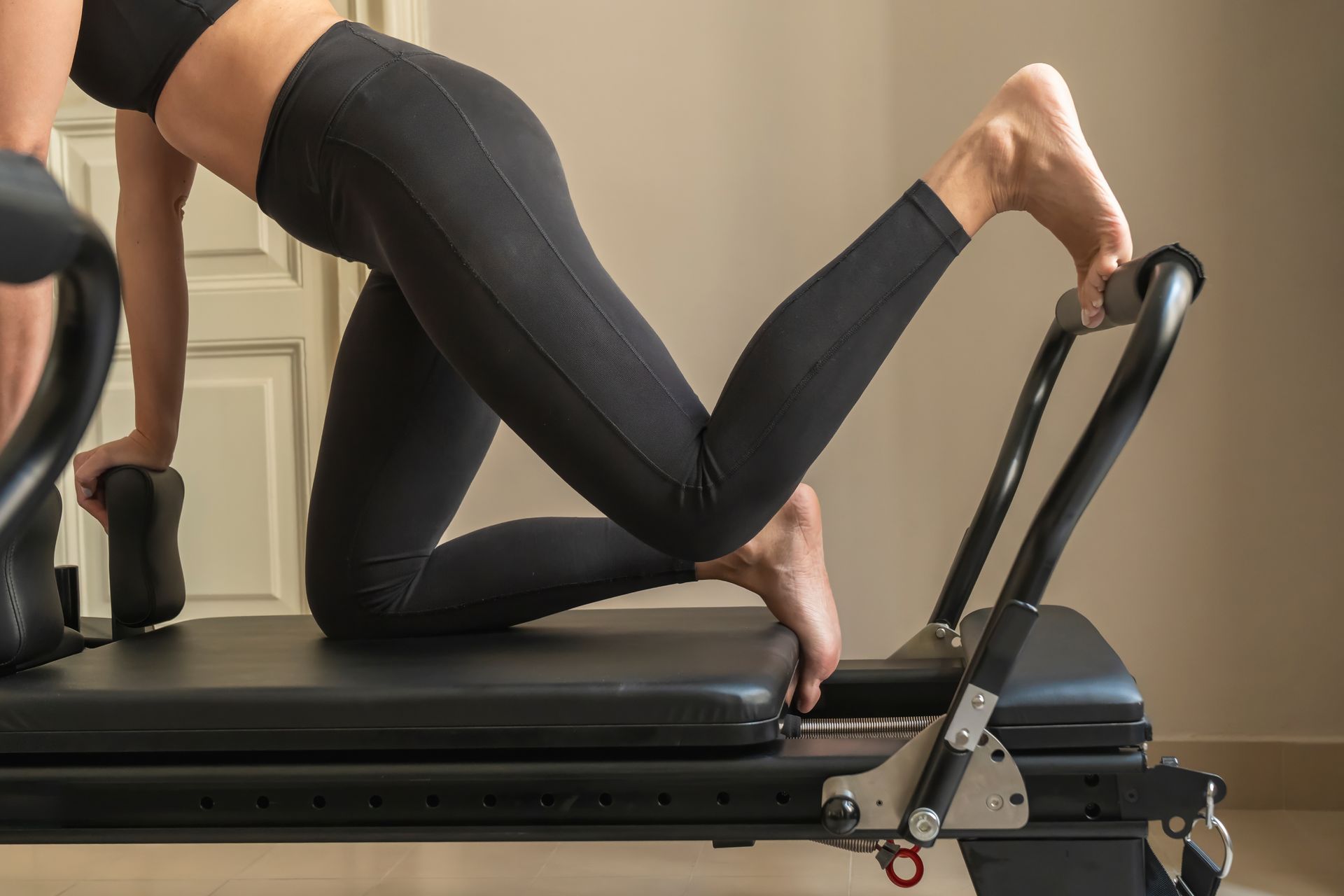
Why Pilates Stops Working And What To Do When Your Body Plateaus If you’ve been doing Pilates consistently, you’re already doing a lot right. You’ve built a routine, you’re moving regularly, and you’ve likely developed better control and awareness in your body. For many people, Pilates is an excellent starting point and can play a valuable role in long-term movement quality. But over time, it’s common to reach a point where progress slows. The sessions stay consistent. The effort is still there. But the results plateau. If you’ve been wondering why, the answer usually comes down to how your body adapts to training. Pilates Isn’t the Problem, But It Has Its Limits Pilates is effective for improving: · Core stability · Movement control · Muscular endurance These are important components of overall fitness. However, these adaptations tend to occur relatively early. Once your body becomes efficient at the movements and resistance levels involved, the stimulus is no longer strong enough to drive further change. This is consistent with the principle of progressive overload, which states that continued improvement requires increasing demand over time (ACSM 2009). Without progression, the body maintains rather than adapts. Why Pilates Stops Working Over Time One of the main limitations of Pilates as a standalone training method is that progression is often limited. Resistance tends to remain within a relatively narrow range, and while exercises can become more complex, they don’t always provide the increasing load required to build strength. Research has shown that while Pilates can improve core endurance and flexibility, it produces significantly smaller gains in muscle strength compared to traditional resistance training (Kloubec 2010). This distinction becomes important when your goals include: · Changing body composition · Building lean muscle · Improving overall strength These outcomes require higher levels of resistance and structured progression. Efficiency vs Adaptation As you continue training in the same way, your body becomes more efficient at those movements. Efficiency reduces the demand placed on your muscles. And when demand decreases, so does the need for adaptation. This is why results plateau, even when consistency remains high. What’s Missing: Strength Training To continue progressing, your body needs a different stimulus. Strength training introduces: · Progressive overload · Higher resistance · Measurable progression These are the key drivers of long-term physical change. The Australian Physical Activity Guidelines specifically recommend incorporating muscle-strengthening activities because of their role in improving metabolic health, bone density, and physical function (Department of Health and Aged Care 2021). This is where strength training becomes essential, not as a replacement for Pilates, but as a complement to it. Pilates and Strength Training Work Better Together It’s important to recognise that Pilates and strength training are not competing methods. They serve different purposes. Pilates supports: · Movement quality · Stability · Control Strength training supports: · Muscle development · Load tolerance · Long-term progression When combined, they create a more balanced and effective approach. What To Do When You Hit a Plateau If you’ve reached a point where Pilates no longer feels like it’s delivering results, the solution is not to abandon it entirely. It’s to add what’s missing. Introducing structured strength training allows you to: · Build strength progressively · Challenge your body in new ways · Continue adapting At the same time, Pilates can remain part of your routine, supporting recovery and movement quality. Where CGPT Fits In Many of our clients come to CGPT after doing Pilates for years. They’ve built consistency and a strong foundation, but they’ve reached a point where progress has stalled. What they need is not more effort, but a more structured approach. At CGPT, the focus is on: · Personalised strength training · Progressive programming · Building confidence with weights Some clients continue Pilates alongside their training. Others transition more fully. Both approaches can work. The difference is having a plan that allows you to keep progressing. What To Do Next If you’ve been doing Pilates and feel like your results have plateaued, this is often the point where a small shift creates a significant change. You don’t need to start over. You just need to introduce the right stimulus. We offer a free intro session at CGPT, where we: · Talk through your current routine · Assess where you’re at · Show you how we would structure your training You can read more about what to expect here: https://www.chrisgympt.com/what-to-expect-at-your-first-personal-training-session-at-cgpt-and-why-its-different-to-every-other-gym From there, you can decide what feels right. Ready to find out more? Email Andrea. REFERENCES: American College of Sports Medicine (ACSM) 2009, Progression Models in Resistance Training for Healthy Adults, Medicine & Science in Sports & Exercise. Department of Health and Aged Care 2021, Australian Physical Activity and Sedentary Behaviour Guidelines, Australian Government. Kloubec, JA 2010, Pilates for improvement of muscle endurance, flexibility, balance, and posture, Journal of Strength and Conditioning Research.
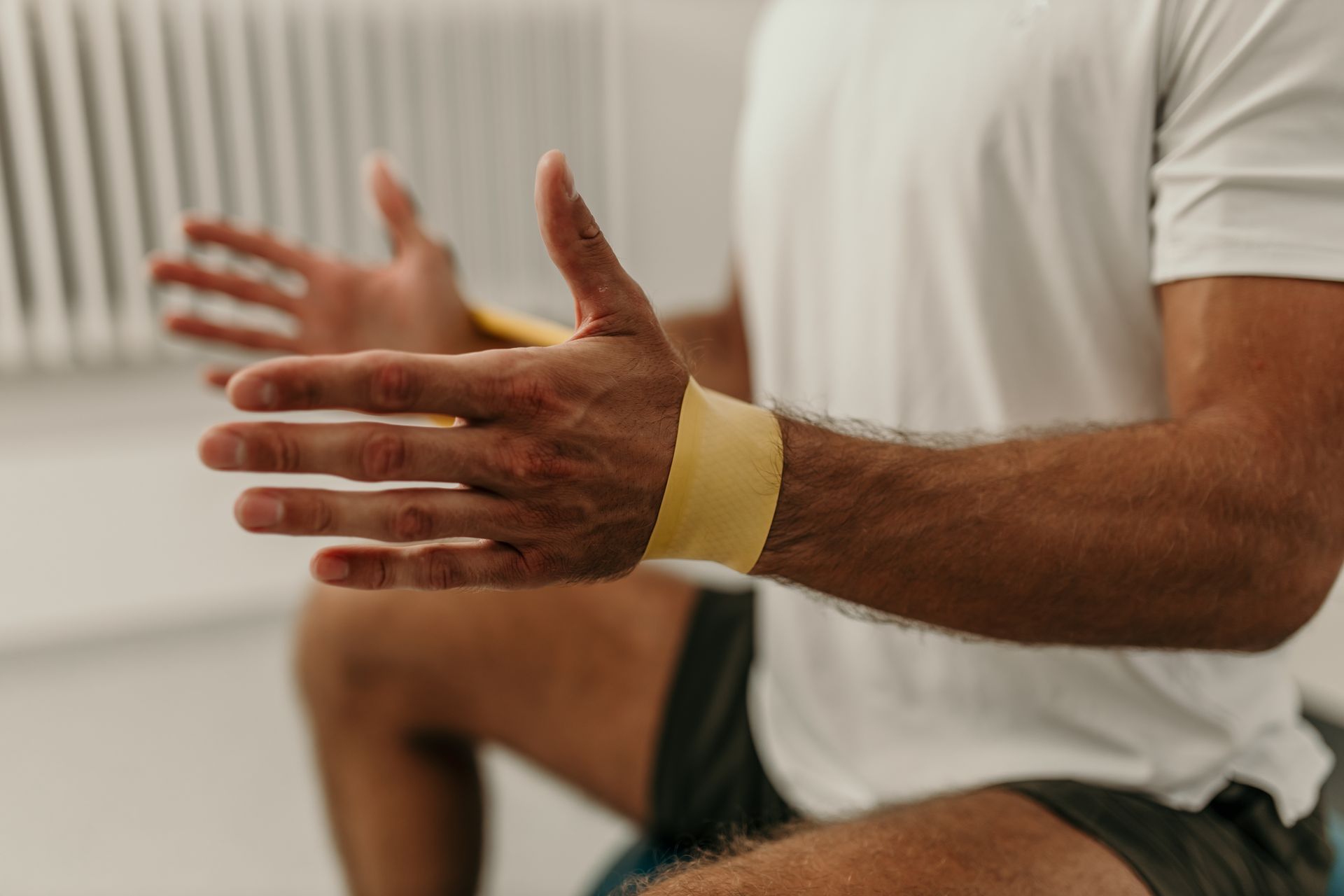
Finished Physio? Here’s Exactly What To Do Next (And Why Most People Get It Wrong) You’ve done the hard part. You showed up to your physio appointments. You followed the plan. Your pain has settled, your movement feels better, and you’ve been told you’re “good to go.” But what comes next is rarely clear. Do you go back to the gym? Keep doing the same rehab exercises? Ease back into things and hope for the best? This is the point where most people get stuck. And it’s also the point where many injuries quietly return. If you’ve been searching for a post physio exercise program in Melbourne or wondering how to approach strength training after injury, this is the gap that often gets missed. Why Physio Alone Isn’t the Full Solution Physiotherapy plays a critical role in recovery. It reduces pain, restores movement, and helps reintroduce load in a controlled way. But physiotherapy is not designed to build long-term strength. Most rehab programs focus on: · Pain reduction · Mobility and range of motion · Muscle activation These are essential first steps. But they are not the end point. Research consistently shows that while rehabilitation improves symptoms, long-term injury prevention relies on progressive strength training beyond the initial recovery phase (Bahr & Krosshaug 2005). In other words, getting out of pain is only part of the process. Building resilience is what keeps you out of it. What Most People Do Next (And Why It Doesn’t Work) Once physio ends, people tend to fall into familiar patterns. Some stop training altogether, assuming the issue is resolved. Others continue doing basic rehab exercises indefinitely, without progressing. And some jump straight back into their previous training routine, often at the same intensity that contributed to the problem in the first place. None of these approaches address what the body actually needs next. Without structured progression, strength doesn’t improve. And without strength, the same movement patterns and weaknesses remain. This is one of the key reasons recurrence rates for musculoskeletal injuries remain high, particularly for lower back and knee conditions (Hides et al. 2001). The Missing Step: Post Rehab Strength Training Between rehabilitation and full training, there is a transition phase that is often overlooked. This is where post rehab training becomes essential. The goal here is not just to move without pain, but to: · Reintroduce load gradually · Build strength through full ranges of motion · Improve control under fatigue · Restore confidence in movement Progressive resistance training has been shown to significantly reduce injury recurrence by improving muscle strength, joint stability, and movement efficiency (Lauersen, Bertelsen & Andersen 2014). This is what allows your body to move from “recovered” to genuinely capable. What To Do Instead If you’ve finished physio and you’re unsure what comes next, the focus should shift towards building strength in a structured, progressive way. That means moving beyond basic exercises and introducing a program that evolves over time. A well-designed post-rehab approach will: · Progress gradually, rather than jumping straight into high intensity · Focus on movement quality before load · Build strength across the entire body, not just the injured area · Adapt based on how your body responds Importantly, consistency matters more than intensity at this stage. Small, progressive increases in load and complexity are what create long-term change. Where CGPT Fits In This is exactly where we work with many of our clients. They’ve completed physiotherapy. They’re no longer in pain. But they’re not confident returning to training on their own. What they need is guidance through that next phase. At CGPT, the focus is on: · Structured strength training · Gradual progression · Building confidence alongside capability There’s no guesswork. Everything is tailored to your starting point and progressed at a pace that makes sense for you. For many people, this is the difference between temporary recovery and long-term results. What To Do Next If you’ve finished physio and you’re unsure how to move forward, this is the point where the right approach makes all the difference. You don’t need to start over. You just need to take the next step properly: safely and with confidence. We offer a free intro session at CGPT, where we: · Talk through your injury history · Assess how you’re moving · Show you how we would structure your training It’s a relaxed, straightforward way to get clarity. You can read more about what to expect here: https://www.chrisgympt.com/what-to-expect-at-your-first-personal-training-session-at-cgpt-and-why-its-different-to-every-other-gym Ready to find out more now? Email Andrea. REFERENCES Bahr, R & Krosshaug, T 2005, Understanding injury mechanisms: a key component of preventing injuries in sport, British Journal of Sports Medicine, vol. 39. Hides, JA, Jull, GA & Richardson, CA 2001, Long-term effects of specific stabilizing exercises for first-episode low back pain, Spine, vol. 26, no. 11. Lauersen, JB, Bertelsen, DM & Andersen, LB 2014, The effectiveness of exercise interventions to prevent sports injuries: a systematic review and meta-analysis, British Journal of Sports Medicine.

From Podcasts to Policy: What the Menopause Movement Means for Women & Training If you feel like menopause has suddenly become a weekly conversation - you’re right. It’s in: · Podcasts · Workplace policies · Instagram · Pharmacy campaigns · Telehealth clinics And for many women, the overwhelming feeling is: “Finally - someone is talking about this.” That visibility is critical, but there’s an important distinction: Awareness changes conversation. Training changes physiology. You’re Not Imagining It The shift is real. More women are: · Recognising symptoms earlier · Seeking answers sooner · Expecting better support That alone is a positive change. But the next step is where things often stall. Awareness vs Action Understanding symptoms is one thing. Responding to what’s happening in the body is another. Common experiences include: · Sleep disruption · Energy dips · Anxiety · Weight redistribution · Brain fog These are complex and multifactorial. But one consistent finding: Exercise - particularly resistance training - can positively influence many of these systems. What Strength Training Actually Supports Research shows strength training can: Improve insulin sensitivity Helping regulate blood sugar and energy levels (1) Support sleep quality Exercise has been linked to improved sleep outcomes in midlife women (2) Assist with stress regulation Physical training influences stress response systems (3) Improve body composition Supporting lean mass and reducing fat accumulation (4) This isn’t a cure-all, but it is a powerful foundation to establish and work from. The Psychological Benefit (Often Overlooked) For many women, the biggest shift isn’t physical - it’s psychological. Strength training provides: · Measurable progress · A sense of control · Confidence in a changing body In a phase that can feel unpredictable, that consistency can really mean all the difference. Why Strength Training Is Different to Cardio-Only Approaches Cardio definitely has it’s value. But on its own, it doesn’t: · Build significant muscle · Improve bone density to the same extent · Provide the same structural resilience Strength training complements cardio, but also fills critical gaps. What This Looks Like at CGPT At CGPT, training is: · Structured · Progressive · Supervised · Individualised There’s no pressure to “keep up.” Just a focus on: · Building strength · Moving well · Progressing consistently Where to Start If you’re exploring this space, these guides are a useful next step: Strength Training During Menopause Menopause Strength Formula Or simply: Start with a conversation. If this has sparked your interest, we’d love to invite you in for a complimentary intro session at CGPT. It’s a relaxed, friendly chat with one of our senior trainers where you can get a feel for the space, ask any questions, and talk through what you’re looking for - without any pressure to commit. Just a simple, supportive starting point to see if it feels right for you. Want to find out more? Email Andrea today. Disclaimer This article is for general informational purposes only and does not constitute medical advice. Please consult a qualified healthcare professional regarding menopause-related concerns. Bibliography 1. Bird, S.R. & Hawley, J.A. (2017) ‘Update on the effects of physical activity on insulin sensitivity’, BMJ Open Sport & Exercise Medicine. 2. Kredlow, M.A. et al. (2015) ‘The effects of physical activity on sleep’, Journal of Behavioral Medicine, 38(3). 3. Stranahan, A.M. et al. (2008) ‘Running induces beneficial effects on stress’, Neuroscience, 156(4). 4. Westcott, W.L. (2012) ‘Resistance training is medicine’, Current Sports Medicine Reports, 11(4).