Why Is Everyone Suddenly Talking About Perimenopause? And What It Means for Your Training
Why Is Everyone Suddenly Talking About Perimenopause? And What It Means for Your Training
If it feels like perimenopause has suddenly appeared everywhere - podcasts, workplace policies, group chats, late-night Google searches - you’re not imagining it.
In Australia alone, the conversation has moved from quiet frustration to national focus. A Senate inquiry, workplace guidelines, and increasing media coverage have pushed menopause firmly into the spotlight. Globally, high-profile figures and platforms have accelerated the conversation even further.
And for many women in Hawthorn, Camberwell, Kew and surrounding areas - this shift is landing at a very specific moment: peak career, full schedules, and a body that feels… different.
This isn’t hysteria. It’s overdue recognition.
But here’s the part that often gets missed:
Awareness alone doesn’t protect your muscle, bone density, or metabolism. Strength training does.
Why This Surge Is Happening
There isn’t one reason perimenopause is everywhere right now. It’s a combination of forces.
1. Policy and workplace legitimacy (Australia)
Menopause is now being discussed as a workplace issue - linked to productivity, retention, and employee wellbeing. That shift has moved it from “private health topic” to something openly acknowledged in professional environments.
2. Celebrity and media normalisation
From global TV specials to podcasts, menopause has become mainstream content. When high-profile figures talk about it, it stops being niche.
3. Women asking better questions
Women in their 40s and 50s are more informed - and less willing to accept vague answers or dismissal of symptoms.
4. Social media shortening the gap
Many women now recognise symptoms through short-form content before they ever speak to a doctor. That accelerates awareness dramatically.
All of this creates one thing: visibility.
But visibility doesn’t equal strategy.
The Gap Nobody Is Talking About Enough
Most of the conversation focuses on:
· Symptoms
· Hormones
· Supplements
· Treatment pathways
All very important.
But far less attention is given to what’s happening physically beneath the surface:
· Gradual loss of muscle mass (sarcopenia) (1)
· Declining bone density (2)
· Changes in insulin sensitivity and fat distribution (3)
· Reduced recovery capacity
These changes are not theoretical - they’re measurable.
And importantly:
Strength training is one of the few interventions consistently shown to positively influence all of them.
This isn’t a controversial statement. It’s widely supported across exercise physiology and menopause research.
What Perimenopause Actually Changes in the Body
At a high level, perimenopause is driven by fluctuating oestrogen levels.
That impacts:
Muscle
Oestrogen plays a role in muscle protein synthesis. As levels fluctuate, maintaining muscle becomes less automatic (4).
Bone
Bone turnover increases, meaning bone breakdown can outpace rebuilding - raising long-term osteoporosis risk (2).
Metabolism
Changes in body composition - particularly increased fat mass and reduced lean mass - can occur even without major lifestyle changes (3).
Recovery
Sleep disruption and hormonal shifts can affect how quickly the body recovers from training or stress.
None of this means decline is inevitable, but it does mean doing nothing is no longer neutral.
What This Means for Women Looking For Training Solutions
For many women locally, the challenge isn’t motivation - it’s structure.
You’re:
· Time-poor
· Managing work and family
· Already active, or trying to be
· Unsure what actually works now
Random gym sessions or cardio-heavy routines often stop delivering results.
What becomes more effective is:
· Structured sessions
· Progressive overload (gradually increasing strength demands)
· Consistency over intensity
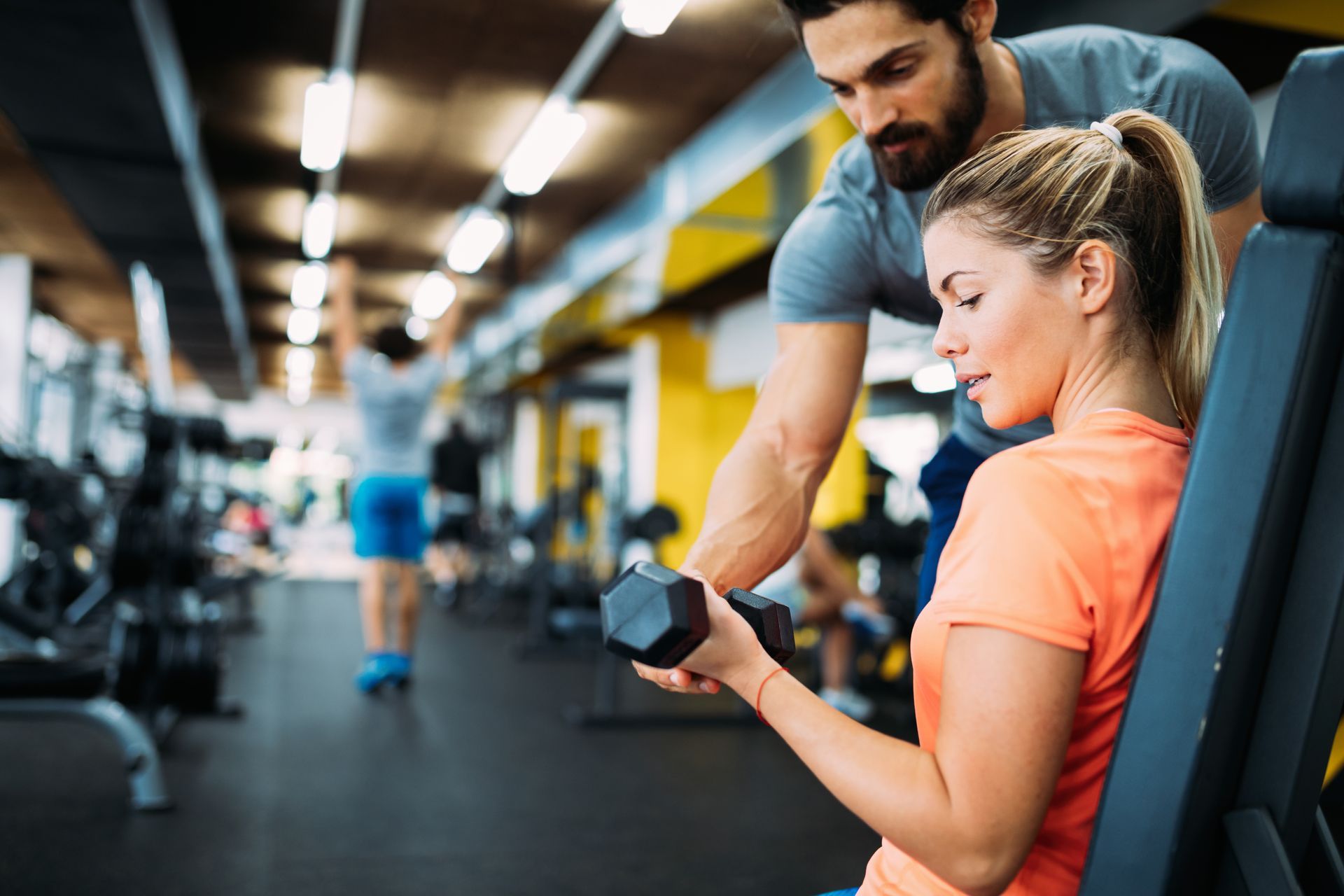
· Supervised training to ensure progression and safety
This is where strength training shifts from “optional” to foundational.
How CGPT Fits Into This Conversation
At CGPT, the approach isn’t reactive or trend-driven.
It’s:
· Structured
· Evidence-informed
· Individualised
· Calm and consistent
There’s no need to overhaul everything overnight.
But there is value in:
· Training with intention
· Progressing strength safely
· Building muscle and resilience over time
If you’re already reading about menopause everywhere, the next logical step isn’t more content. It’s action.
Where to Start
If you’re curious about how strength training fits into this phase, these guides are a useful starting point:
The Benefits of Strength Training During Peri-Menopause and Menopause
Strength Training During Menopause: Why Now Is the Perfect Time to Start
Or, if you’d prefer something more direct:
A conversation about personalised structured strength training is often the simplest place to begin.
If this has sparked your interest, we’d love to invite you in for a complimentary intro session at CGPT. It’s a relaxed, friendly chat with one of our senior trainers where you can get a feel for the space, ask any questions, and talk through what you’re looking for - without any pressure to commit. Just a simple, supportive starting point to see if it feels right for you.
Want to find out more? Email Andrea today.
Disclaimer
This article is for general informational purposes only and does not constitute medical advice. Always consult your GP or qualified healthcare provider regarding menopause, symptoms, or treatment options.
Bibliography
1. Cruz-Jentoft, A.J. et al. (2019) ‘Sarcopenia: revised European consensus on definition and diagnosis’, Age and Ageing, 48(1), pp. 16–31.
2. Daly, R.M. et al. (2018) ‘Exercise for the prevention of osteoporosis in postmenopausal women’, Bone, 115, pp. 172–180.
3. Lovejoy, J.C. et al. (2008) ‘Increased visceral fat and decreased energy expenditure during menopause’, International Journal of Obesity, 32(6), pp. 949–958.
4. Sipilä, S. et al. (2020) ‘Estrogen-related muscle changes’, Frontiers in Physiology, 11.